
BALB/cCrSlcNifdc-Egfrtm2(EGFR)Bcgen/Bcgen • 113865

EGFR: A Key Driver of Cell Growth and Cancer Progression

EGFR

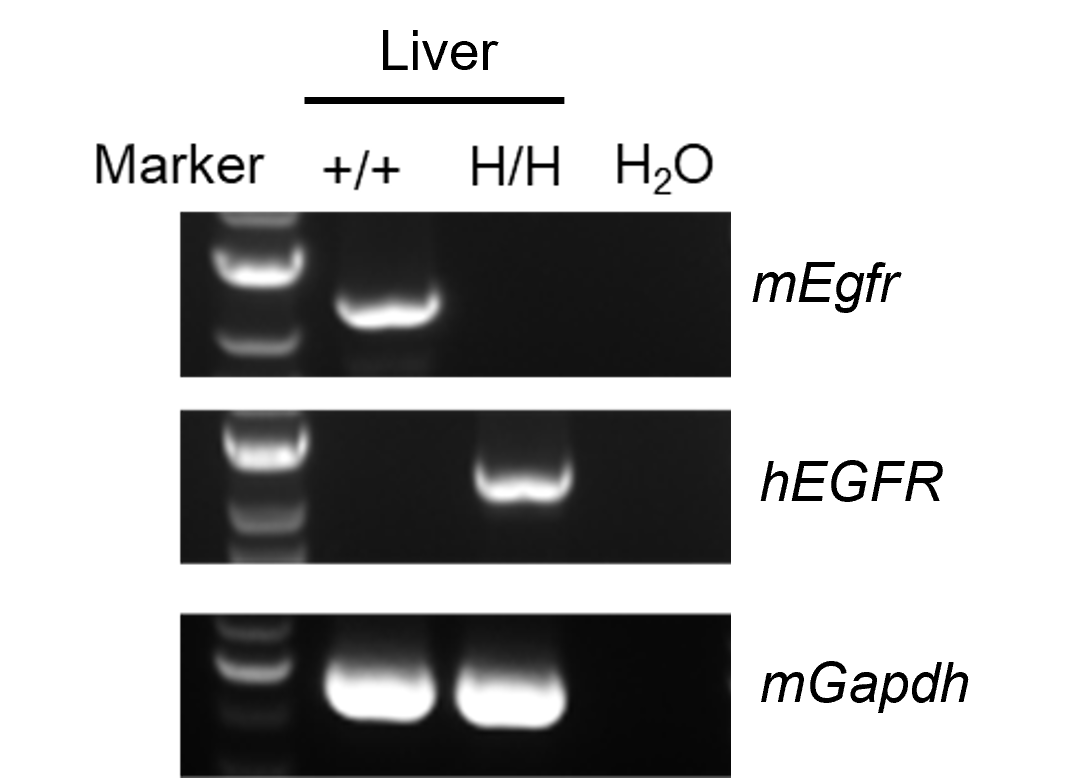
Human EGFR was detectable in B-hEGFR mice(C) by RT-PCR and sequencing. Liver tissue were isolated from wild-type BALB/cCrSlcNifdc mice (+/+) and homozygous B-hEGFR mice(C) (H/H). Primers were designed to detect human and mouse EGFR, respectively. Human EGFR mRNA was detectable in B-hEGFR mice(C), but not in wild-type mice. Sequencing of PCR products confirmed that the amplified sequences were consistent with database reference sequences.
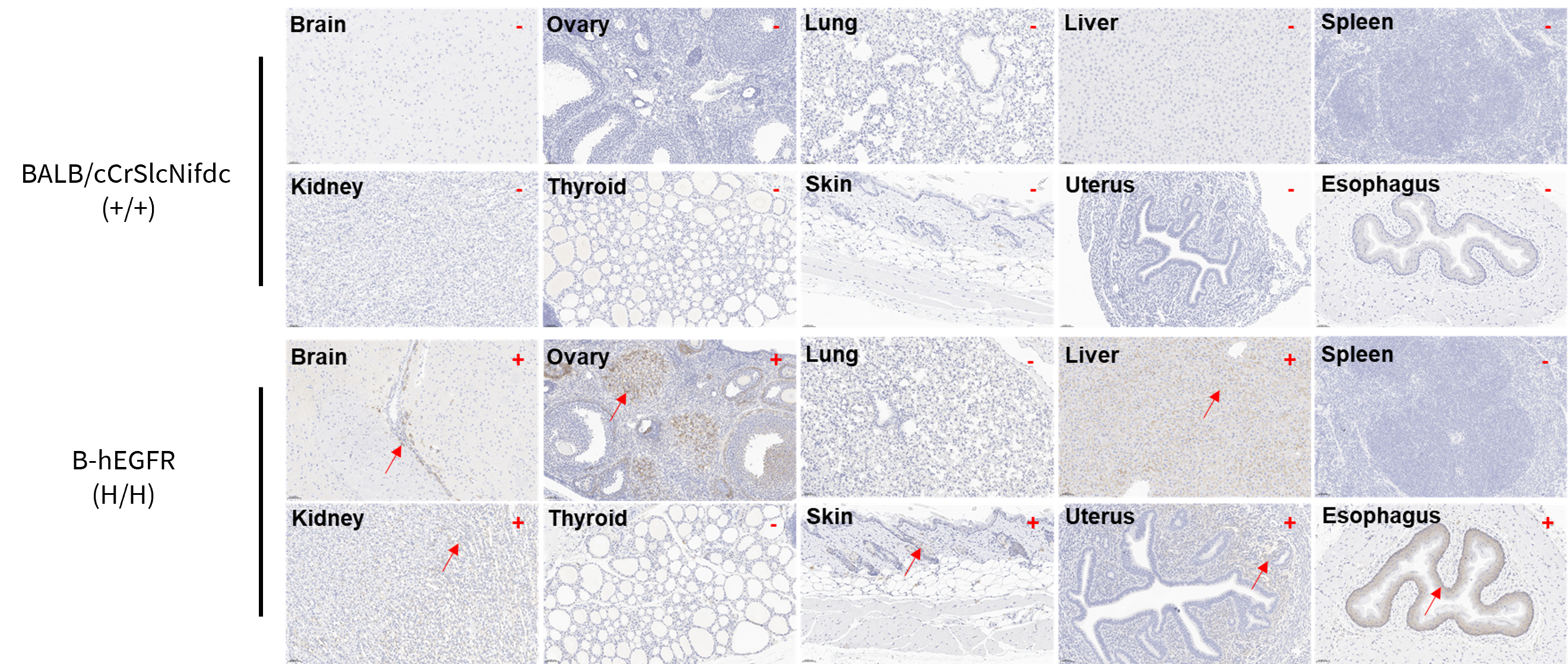
Immunohistochemical analysis of organs in B-hEGFR mice(C). Major organs were collected from wild-type BALB/cCrSlcNifdc mice and homozygous B-hEGFR mice(C) (female, 6 weeks old), and analyzed by IHC using anti-EGFR antibody (Invitrogen, MA5-49312). The arrow indicates tissue cells with positive EGFR staining (brown). "+" and "-" indicate positive and negative tissues, respectively.

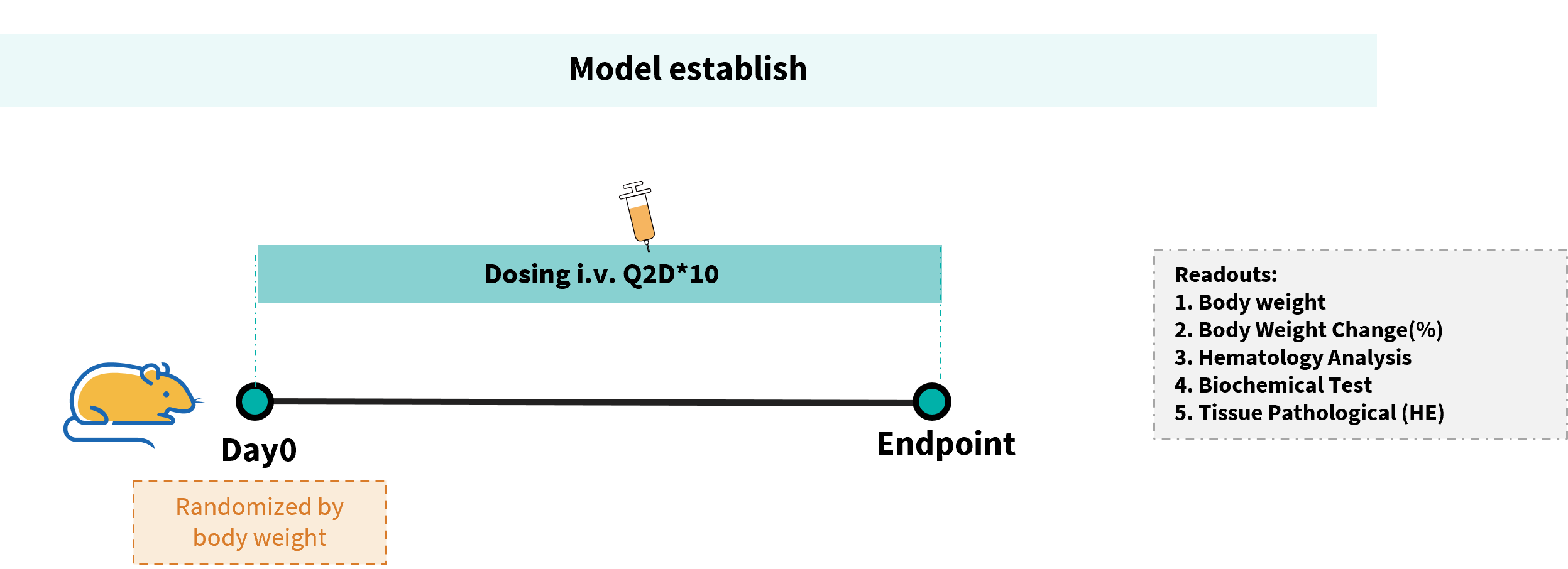
In vivo toxicity evaluation of EGFR-targeted antibody in B-hEGFR mice(C). Anti-human EGFR antibody cetuximab (Commercialized) were intravenously injected into B-hEGFR mice(C) (female, 6 weeks old, n=5). Mice were weighed every two days, and their condition was observed daily. At the end of the experiment, blood samples were collected for complete blood count test. Additionally, tissue samples were collected from the oral mucosa, muzzle skin, abdominal skin, liver, esophagus, stomach, duodenum, jejunum, ileum, uterus, and ovary, and then subjected to pathological analysis.
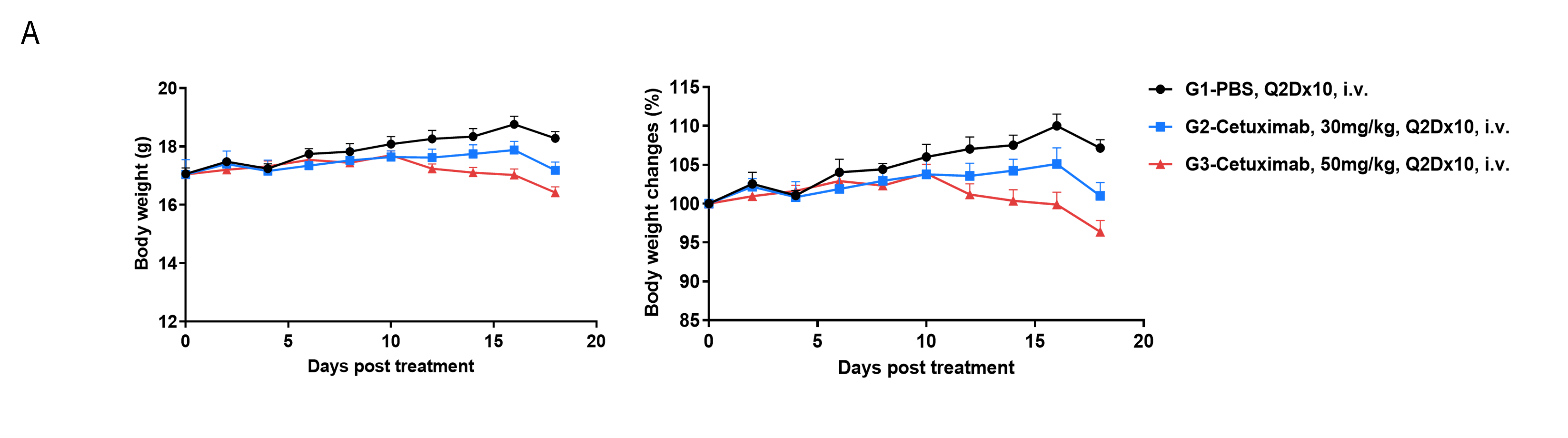
In vivo toxicity evaluation of EGFR-targeted antibody in B-hEGFR mice(C). (A) Body weight and body weight changes during treatment. The results showed decreased body weight of B-hEGFR mice(C) in the high-dose cetuximab group. Values are expressed as mean ± SEM.
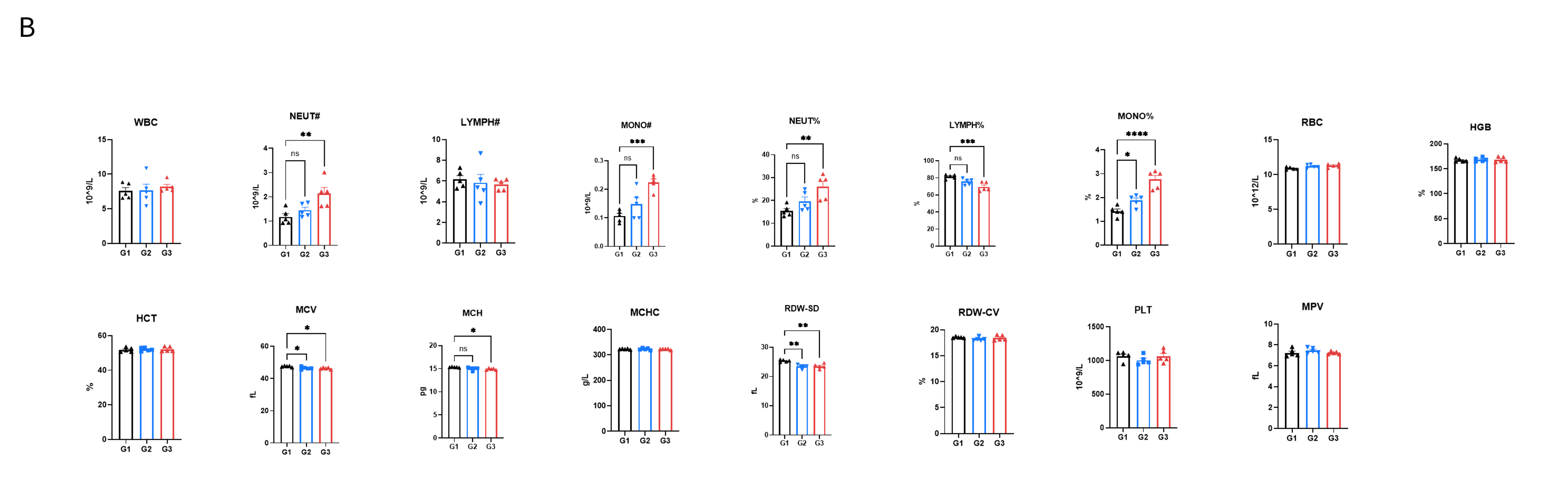
In vivo toxicity evaluation of EGFR-targeted antibody in B-hEGFR mice(C). (B) Complete blood cell count detection at the endpoint of the experiment. Administration of 30 and 50 mg/kg cetuximab resulted in an increase in peripheral blood neutrophils and monocytes. This increase may be induced by immune system activation and mild inflammatory responses following high-dose antibody treatment. The decrease in the volume of individual red blood cells (MCV) may be attributed to the impact of cetuximab on erythropoiesis. Consequently, the body compensated by increasing the red blood cell count (RBC; increased trends, *P<0.05 in unpaired T-test between G1 and G3) to maintain overall hemoglobin (HGB) levels. Values are expressed as mean ± SEM. Significant was analyzed by Ordinary one-way ANOVA (*P≤0.05, **P≤0.01, ***P≤0.001, ****P≤0.0001).
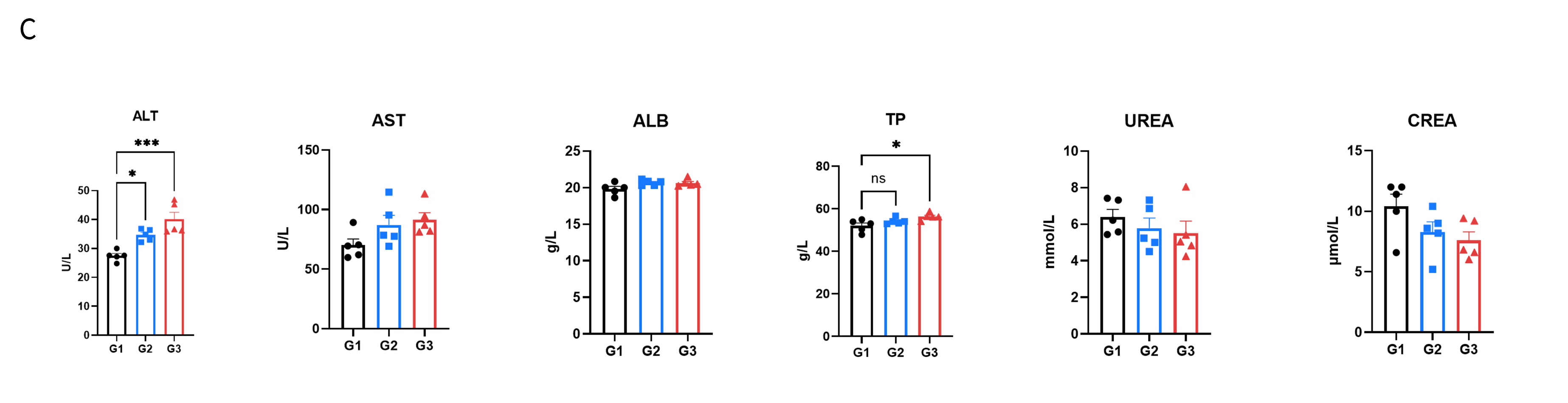
In vivo toxicity evaluation of EGFR-targeted antibody in B-hEGFR mice(C). (C) Biochemical test at the endpoint of the experiment. Elevated ALT and TP levels in peripheral blood indicate liver toxicity following high-dose antibody treatment. Values are expressed as mean ± SEM. Significant was analyzed by Ordinary one-way ANOVA (*P≤0.05, **P≤0.01, ***P≤0.001, ****P≤0.0001).
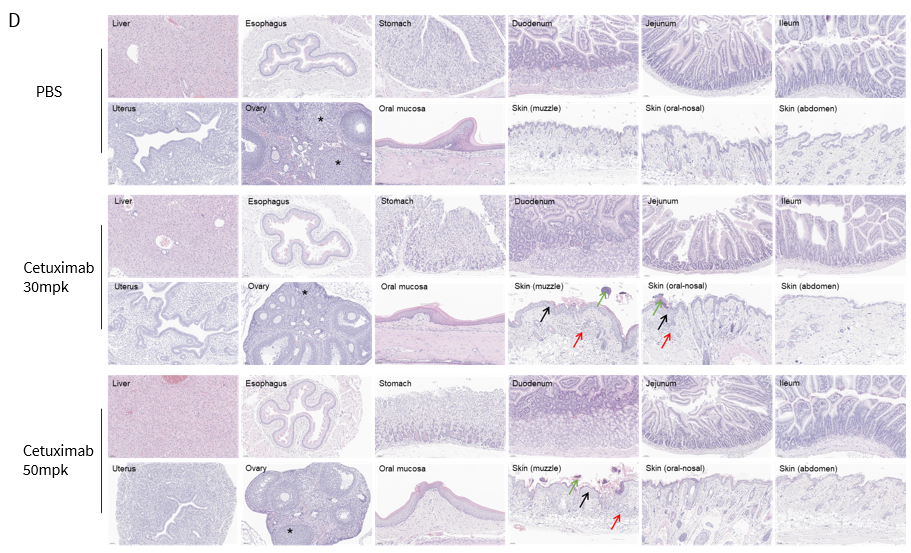
In vivo toxicity evaluation of EGFR-targeted antibody in B-hEGFR mice(C). (D) Pathological alterations in cetuximab-treated mice compared with PBS control. Cetuximab-treated mice showed epidermal hyperplasia with scab formation, and mixed inflammatory cell infiltration in the skin (muzzle), occasional in the skin (oral-nosal). Ovaries displayed a reduced number of corpora lutea. The incidence of pathological changes in the skin (around the eye) and ovaries were increased in the high dose group compared to those in the low dose group. These changes are considered related to cetuximab treatment.
Magnification: 400×;