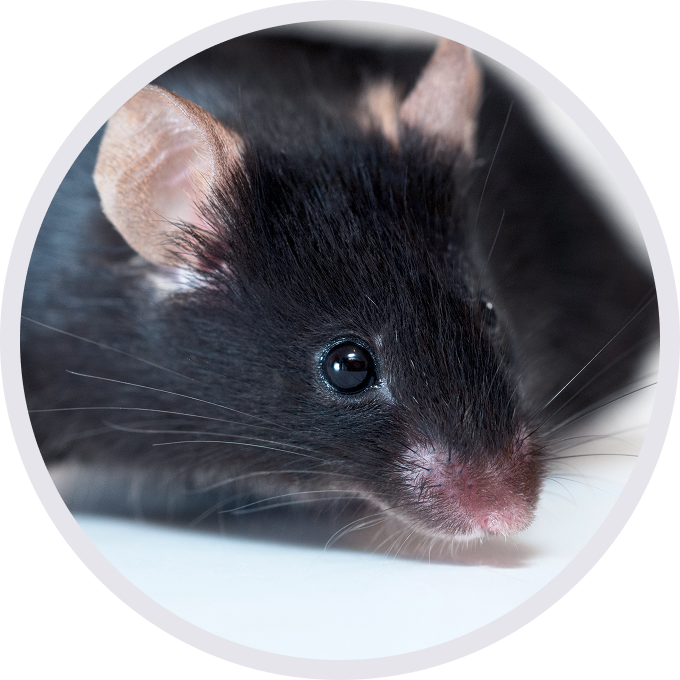
C57BL/6-Il31tm1(IL31)Bcgen Il31ratm1(IL31RA)Bcgen Osmrtm1(OSMR)Bcgen Il4tm2(IL4)Bcgen Il4ratm1(IL4RA)Bcgen/Bcgen • 112908
在此页面上

Key Advantages
Validation
Application

In B-hIL31/hIL31RA/hOSMR/hIL4/hIL4RA mice, the mouse Il31 gene encoding the full-length protein was replaced by human IL31 counterpart sequences. Coding sequences containing the human IL31RA extracellular region and mouse Il31ra intracellular region were inserted into the mouse Il31ra gene, and coding sequences containing the human OSMR extracellular region and mouse Osmr intracellular region were inserted into the mouse Osmr gene.
Mouse Il4 exons 1-4 encoding the full-length coding sequence were replaced by human IL4 exons 1-4, and mouse Il4ra exons 4-7 encoding extracellular-region coding sequences were replaced by human IL4RA exons 4-7. B-hIL31/hIL31RA/hOSMR/hIL4/hIL4RA mice were obtained by breeding B-hIL31/hIL31RA/hOSMR mice with B-hIL4/hIL4RA mice.

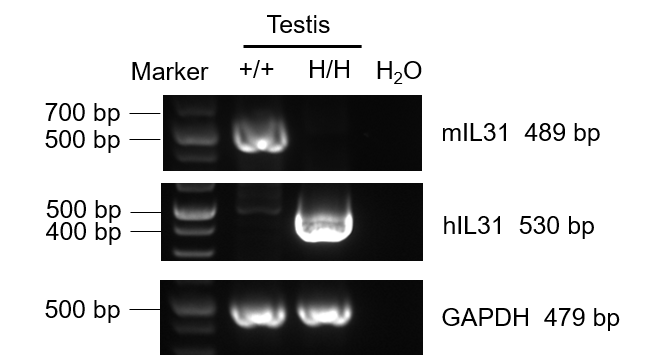
Strain-specific IL31 mRNA expression was analyzed in wild-type C57BL/6 mice and B-hIL31/hIL31RA/hOSMR/hIL4/hIL4RA mice by RT-PCR.
Testis RNA was isolated from wild-type C57BL/6 mice (+/+) and homozygous B-hIL31/hIL31RA/hOSMR/hIL4/hIL4RA mice (H/H). cDNA libraries were synthesized by reverse transcription followed by PCR with mouse- or human-specific IL31 primers. Mouse Il31 mRNA was detected in wild-type mice, while human IL31 mRNA was detected in homozygous B-hIL31/hIL31RA/hOSMR/hIL4/hIL4RA mice.
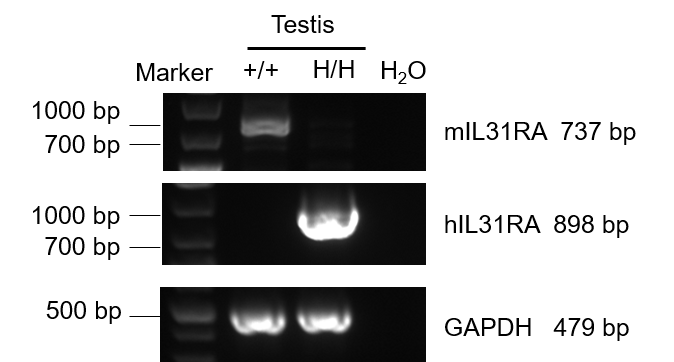
Strain-specific IL31RA mRNA expression was analyzed in wild-type C57BL/6 mice and B-hIL31/hIL31RA/hOSMR/hIL4/hIL4RA mice by RT-PCR.
Testis RNA was isolated from wild-type C57BL/6 mice (+/+) and homozygous B-hIL31/hIL31RA/hOSMR/hIL4/hIL4RA mice (H/H). cDNA libraries were synthesized by reverse transcription followed by PCR with mouse- or human-specific IL31RA primers. Human IL31RA mRNA was detected in homozygous B-hIL31/hIL31RA/hOSMR/hIL4/hIL4RA mice and was not detected in wild-type mice under this assay condition.
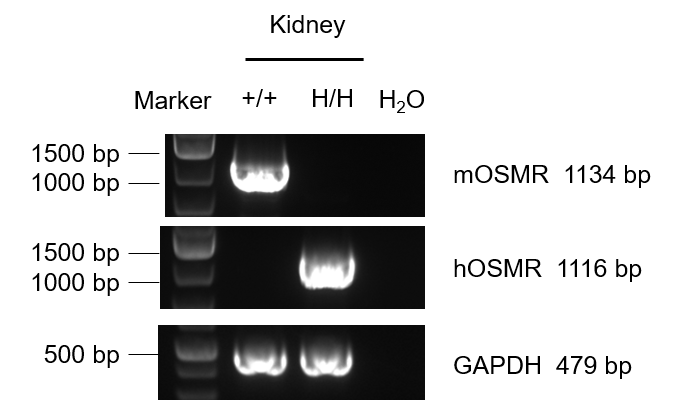
Strain-specific OSMR mRNA expression was analyzed in wild-type C57BL/6 mice and B-hIL31/hIL31RA/hOSMR/hIL4/hIL4RA mice by RT-PCR.
Kidney RNA was isolated from wild-type C57BL/6 mice (+/+) and homozygous B-hIL31/hIL31RA/hOSMR/hIL4/hIL4RA mice (H/H). cDNA libraries were synthesized by reverse transcription followed by PCR with mouse- or human-specific OSMR primers. Human OSMR mRNA was detected in homozygous B-hIL31/hIL31RA/hOSMR/hIL4/hIL4RA mice and was not detected in wild-type mice under this assay condition.
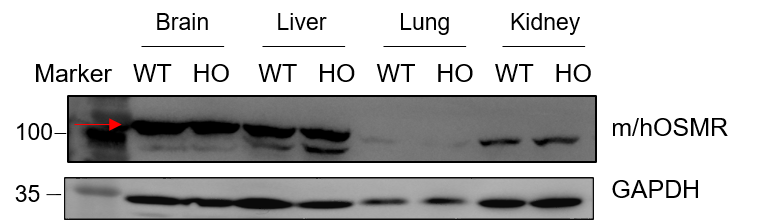
Western blot analysis of OSMR protein expression was performed in B-hIL31/hIL31RA/hOSMR/hIL4/hIL4RA mice.
Brain, liver, lung, and kidney tissues were collected from wild-type C57BL/6JNifdc mice (+/+) and homozygous B-hIL31/hIL31RA/hOSMR/hIL4/hIL4RA mice (H/H; H/H; H/H; H/H; H/H), then analyzed with anti-OSMR antibody (Proteintech, 10982-1-AP). Mouse/human OSMR signal was detected in brain, liver, lung, and kidney of wild-type and homozygous humanized mice. WT: wild-type C57BL/6JNifdc mice; HO: homozygous B-hIL31/hIL31RA/hOSMR/hIL4/hIL4RA mice.

Strain-specific IL4 protein expression was analyzed in homozygous B-hIL31/hIL31RA/hOSMR/hIL4/hIL4RA mice by ELISA.
Serum was collected from wild-type C57BL/6 mice (female, 6-week-old, n=3) and homozygous B-hIL31/hIL31RA/hOSMR/hIL4/hIL4RA mice (female, 6-week-old, n=3) after in vivo stimulation with anti-mCD3ε (7.5 μg/mice, i.p.) and anti-mCD28 (5 μg/mice, i.p.) for 3 h. Species-specific IL4 ELISA kits were used for analysis. Mouse IL4 was detected in wild-type mice (A), and human IL4 was detected in homozygous humanized mice (B).
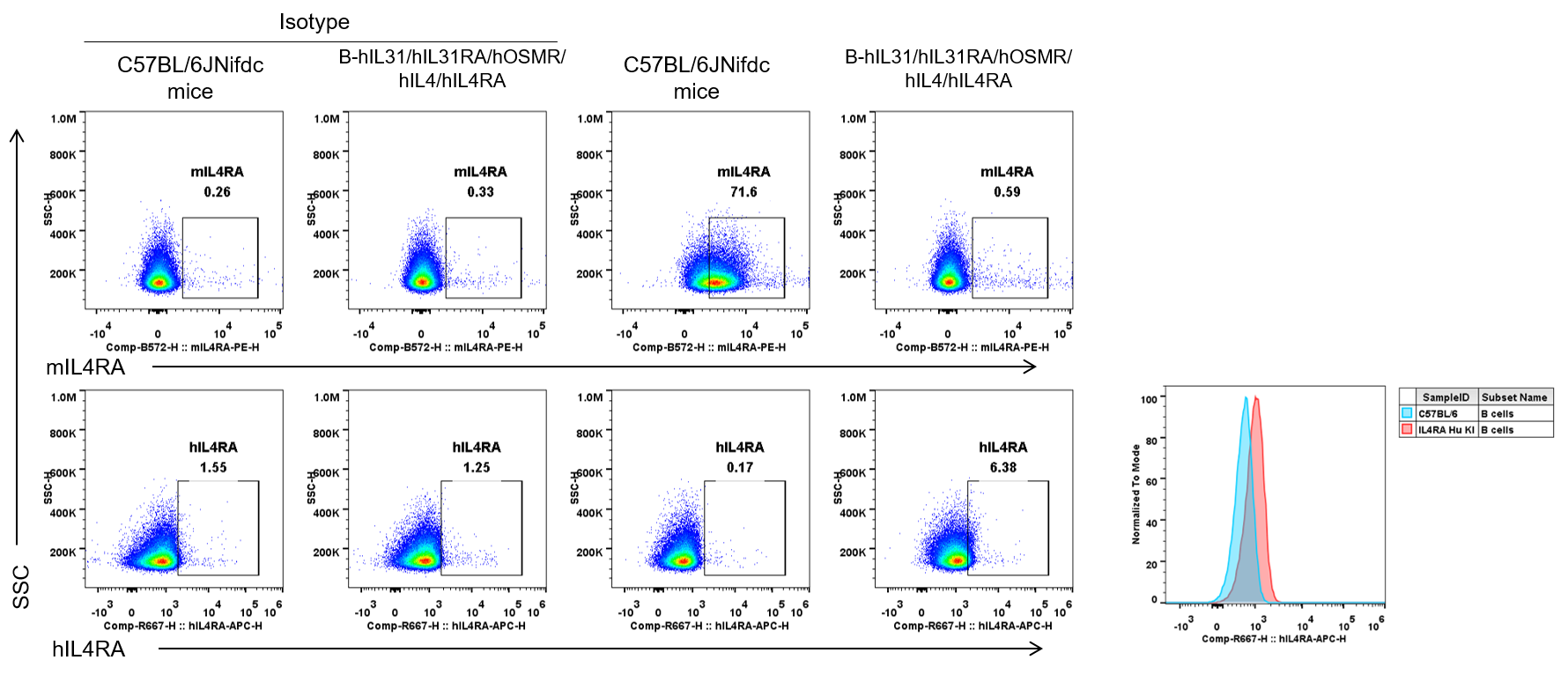
Strain-specific human IL4RA protein expression was analyzed in B cells by flow cytometry.
Splenocytes were collected from wild-type C57BL/6JNifdc mice and homozygous B-hIL31/hIL31RA/hOSMR/hIL4/hIL4RA mice after LPS stimulation (200 μg/mice, i.p.) for 2 h. Cells were analyzed with anti-mouse IL4RA antibody (BioLegend, 144803) or anti-human IL4RA antibody (BioLegend, 355005). Mouse IL4RA signal was detected in wild-type mice, while human IL4RA signal was detected in homozygous humanized mice.
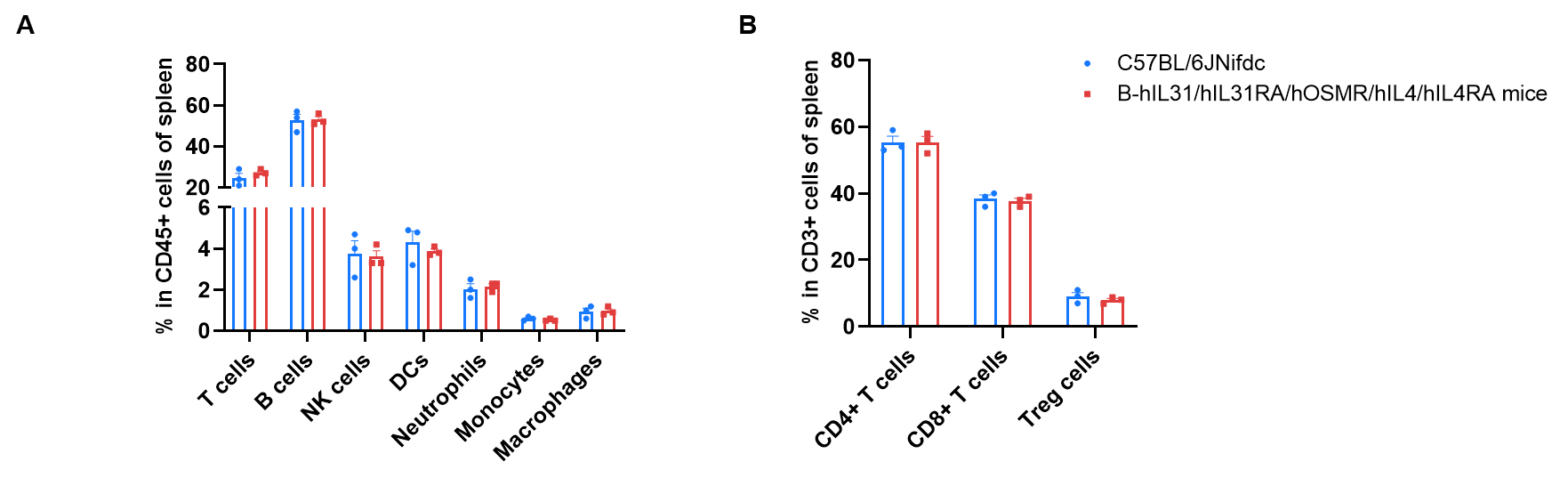
Spleen leukocyte subpopulations were analyzed by flow cytometry.
Splenocytes were isolated from wild-type C57BL/6JNifdc mice (female, 6-week-old, n=3) and homozygous B-hIL31/hIL31RA/hOSMR/hIL4/hIL4RA mice (female, 6-week-old, n=3). Flow cytometry was used to assess leukocyte and T cell subpopulations. Frequencies of T cells, B cells, NK cells, DCs, neutrophils, monocytes, macrophages, CD4+ T cells, CD8+ T cells, and Tregs in B-hIL31/hIL31RA/hOSMR/hIL4/hIL4RA mice were similar to C57BL/6JNifdc controls. Values are expressed as mean ± SEM. Significance was determined by two-way ANOVA test.
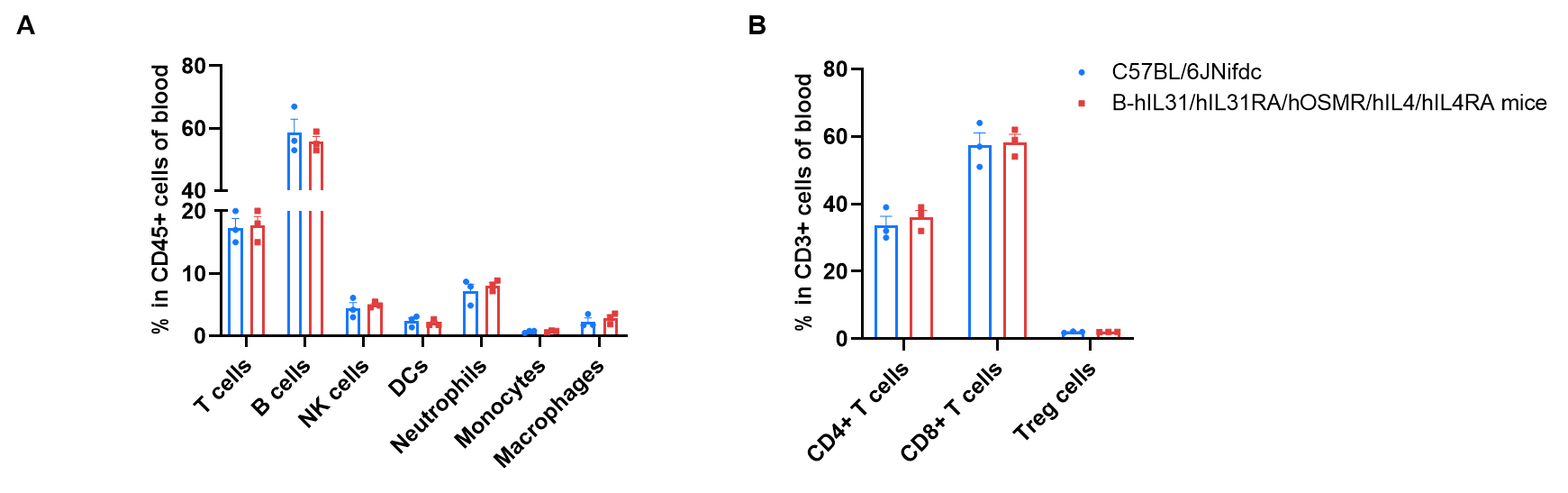
Blood leukocyte subpopulations were analyzed by flow cytometry.
Blood cells were isolated from wild-type C57BL/6JNifdc mice (female, 6-week-old, n=3) and homozygous B-hIL31/hIL31RA/hOSMR/hIL4/hIL4RA mice (female, 6-week-old, n=3). Flow cytometry was used to assess leukocyte and T cell subpopulations. Frequencies of T cells, B cells, NK cells, DCs, neutrophils, monocytes, macrophages, CD4+ T cells, CD8+ T cells, and Tregs in B-hIL31/hIL31RA/hOSMR/hIL4/hIL4RA mice were similar to C57BL/6JNifdc controls. Values are expressed as mean ± SEM. Significance was determined by two-way ANOVA test.
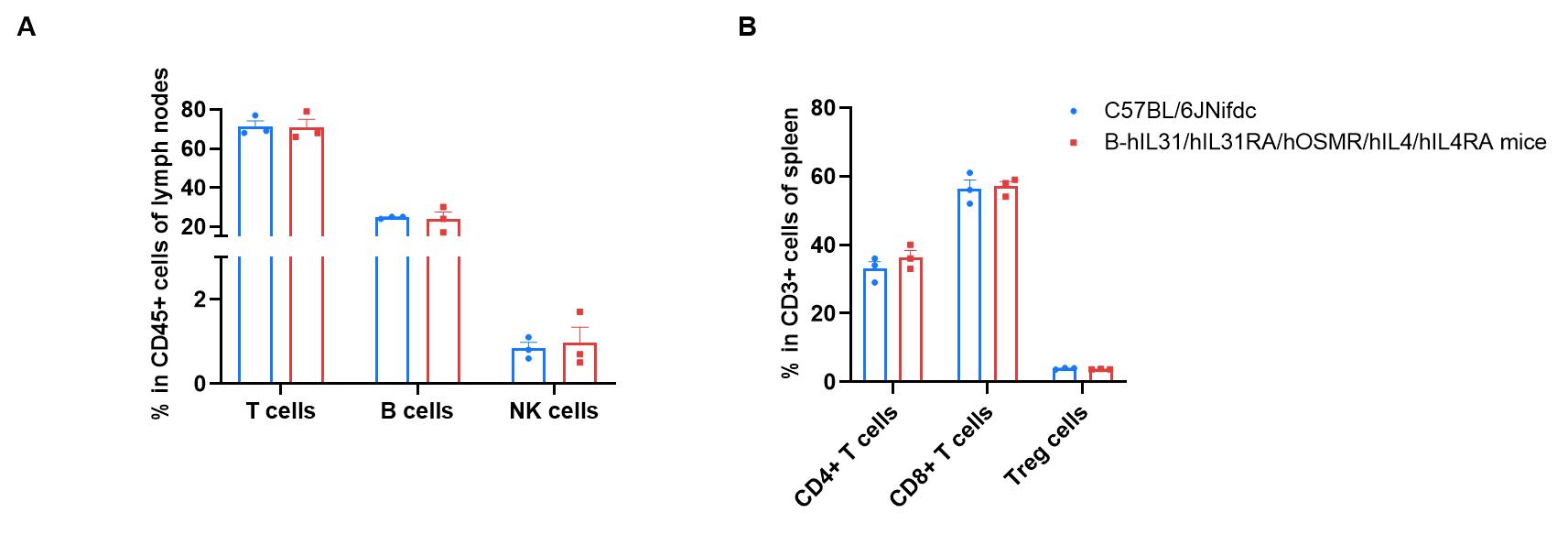
Lymph node leukocyte subpopulations were analyzed by flow cytometry.
Lymph node cells were isolated from wild-type C57BL/6JNifdc mice (female, 6-week-old, n=3) and homozygous B-hIL31/hIL31RA/hOSMR/hIL4/hIL4RA mice (female, 6-week-old, n=3). Flow cytometry was used to assess leukocyte and T cell subpopulations. Frequencies of T cells, B cells, NK cells, CD4+ T cells, CD8+ T cells, and Tregs in B-hIL31/hIL31RA/hOSMR/hIL4/hIL4RA mice were similar to C57BL/6JNifdc controls. Values are expressed as mean ± SEM. Significance was determined by two-way ANOVA test.

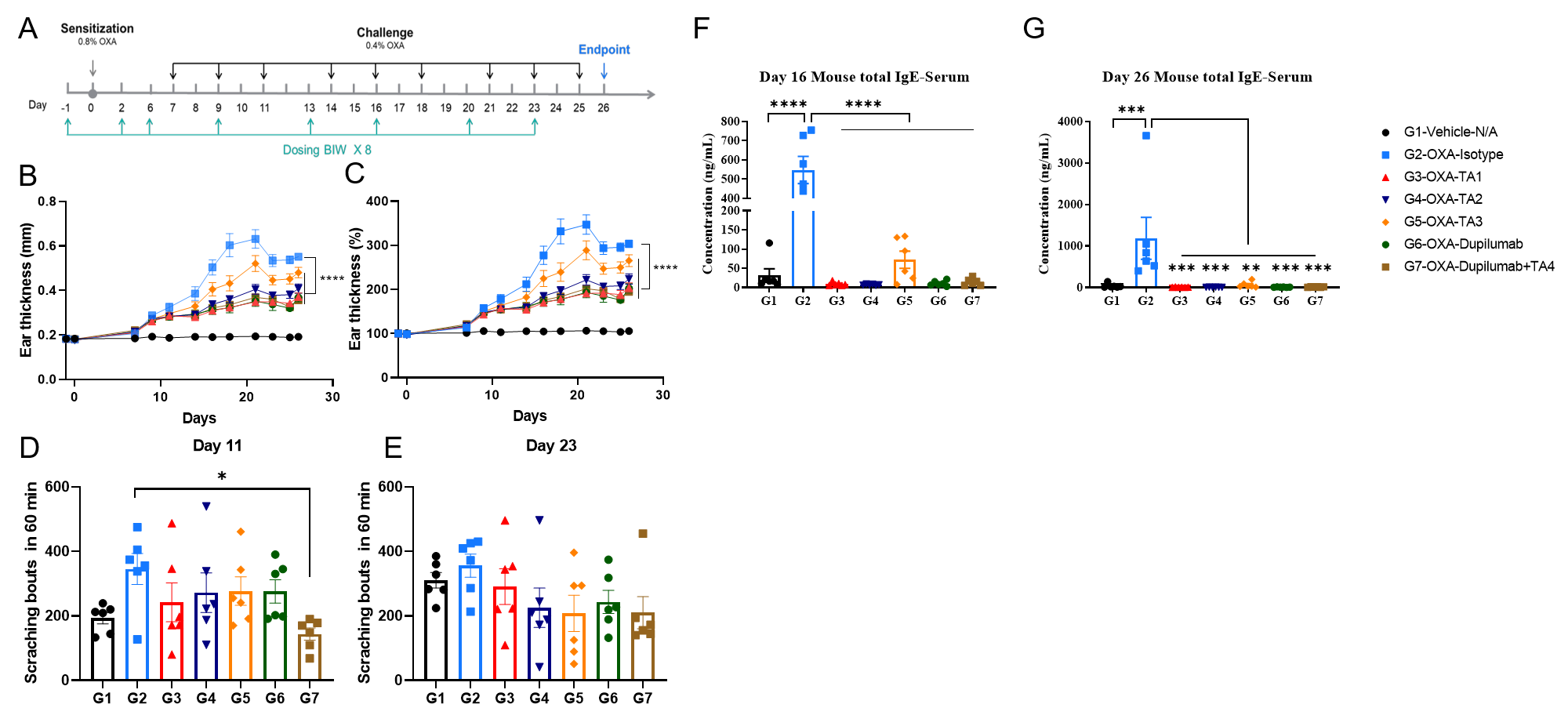
Bispecific antibody efficacy was evaluated in the OXA-induced AD model using B-hIL31/hIL31RA/hOSMR/hIL4/hIL4RA mice.
(A) OXA was applied to dorsal and ear skin of B-hIL31/hIL31RA/hOSMR/hIL4/hIL4RA mice (female, 8-week-old, n=6) on day 0, and then challenge to the same site of skin nine times from days 7 to 25. Dupilumab, bispecific antibody (BsAb) (Dupilumab, or BsAb provided by client) were intraperitoneally injected in G3-G7. Ear tissues and serum were collected at the endpoint on day 26. B. Ear thickness. C. Ear thickness change. Scratching behavior was recorded on day 11 (D), day 23 (E). F. Day 16 Serum-Total IgE. G. Day 26 Serum-Total IgE. The results showed that ear thicknesses and serum IgE levels were decreased in TA1,TA2,TA3, and Dupilumab with or without TA4 treated group. The combination of Dupilumab and TA4 significantly attenuates scratching behaviors on day 11. The data is expressed as mean ± SEM (* p< 0.05, ** p< 0.01, *** p< 0.001, **** p< 0.0001). AD: atopic dermatitis; OXA: oxazolone.
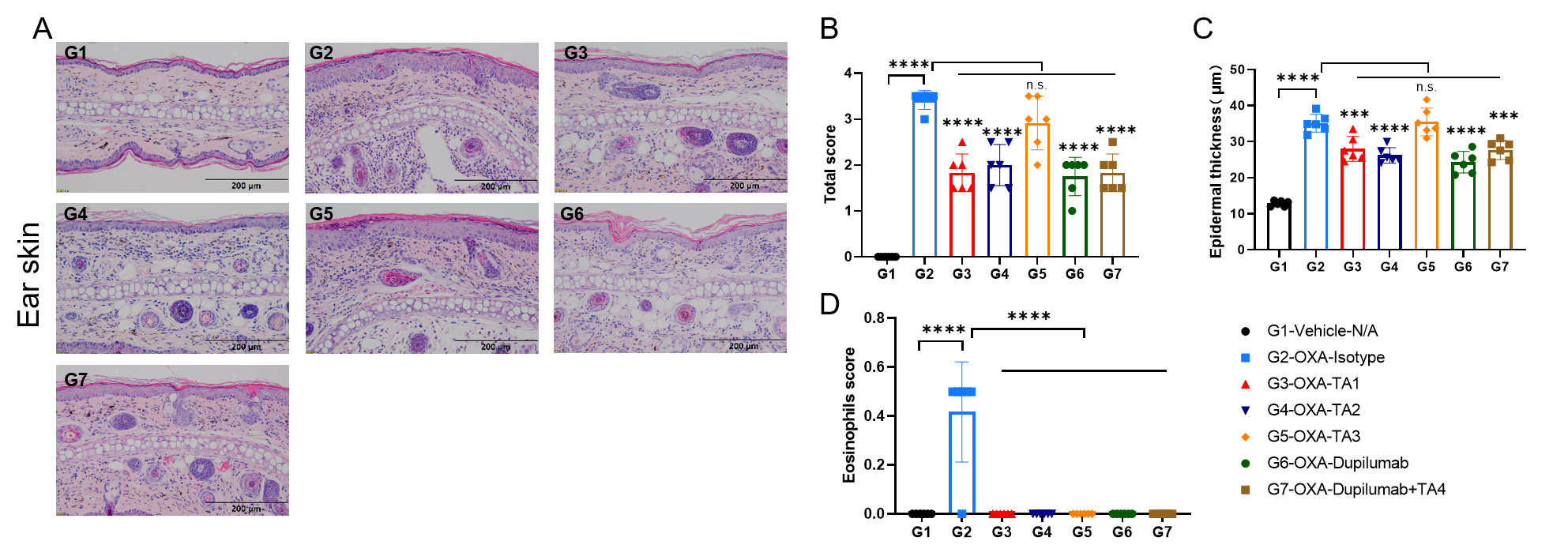
Efficacy evaluation of bispecific antibody in AD model of B-hIL31/hIL31RA/hOSMR/hIL4/hIL4RA mice. (A) Hematoxylin and eosin (H&E) staining. (B) Total pathological score. (C) Epidermal thickness. (D) Eosinophil score. Ear tissues were collected and analyzed by H&E staining. Total pathological score, epidermal thickness, and eosinophil score were assessed. Ear thickness and eosinophil infiltration scores in groups treated with TA1, TA2, and dupilumab analog with or without TA4 were significantly decreased compared with the isotype control group. The pathology score included epidermal hyperplasia, erosion/crusting, hyperkeratosis and parakeratosis, inflammatory-cell infiltration in dermis, and subcutaneous inflammation. Values are expressed as mean ± SEM. *p < 0.05, **p < 0.01, ***p < 0.001, ****p < 0.0001; n.s., no significance.
Note: This experiment is a collaboration with the client.

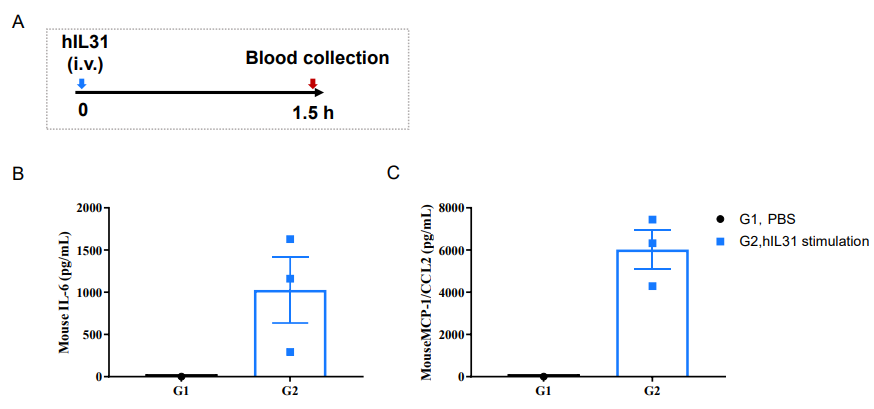
Function analysis of hIL31 signaling pathway in homozygous B-hIL4/hIL4RA/hIL31/hIL31RA/hOSMR mice. Mice in G2 were treated with 20 μg human IL31 protein (hIL31) (in house). (A) Functional experiment scheme diagram. (B) Mouse IL-6 levels in serum. (C) Mouse CCL2 levels in serum. After 1.5 hours of intravenous injection of hIL31, the serum was collected and the levels of IL6 and CCL2 in the serum were measured by ELISA (n = 3).

Body weight of wild-type mice and B-hIL31/hIL31/RA/hOSMR/hIL4/hIL4RA mice. Wild-type C57BL/6 mice and B-hIL31/hIL31/RA/hOSMR/hIL4/hIL4RA mice (15 males and 15 females) were monitored for 8-32 weeks to assess overall health of the animals. Absolute body weight of wild-type mice and B-hIL31/hIL31/RA/hOSMR/hIL4/hIL4RA mice over time. The weight of B-hIL31/hIL31/RA/hOSMR/hIL4/hIL4RA mice revealed no abnormalities compared to wild-type controls.
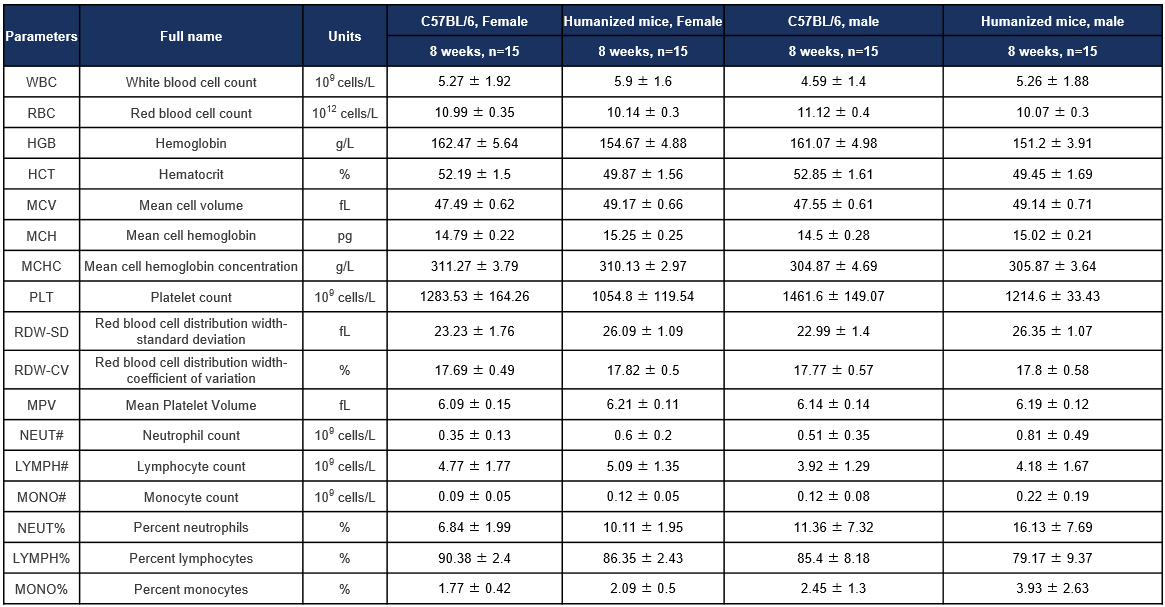
Complete blood count (CBC) of B-hIL31/hIL31/RA/hOSMR/hIL4/hIL4RA mice. Values are expressed as mean ± SD.
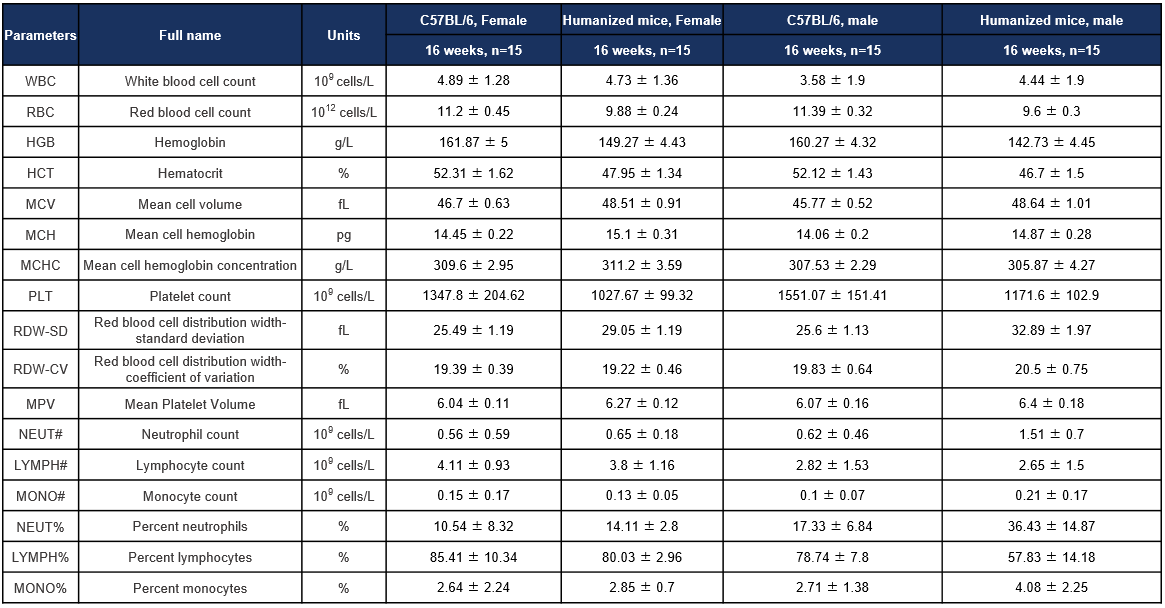
Complete blood count (CBC) of B-hIL31/hIL31/RA/hOSMR/hIL4/hIL4RA mice. Values are expressed as mean ± SD.
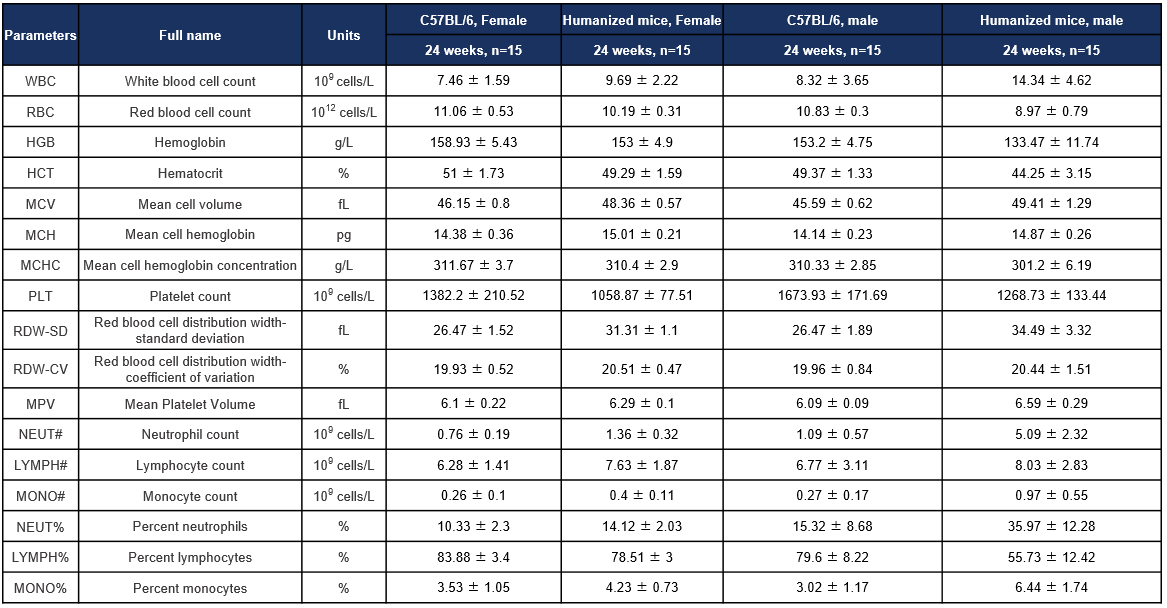
Complete blood count (CBC) of B-hIL31/hIL31/RA/hOSMR/hIL4/hIL4RA mice. Values are expressed as mean ± SD.
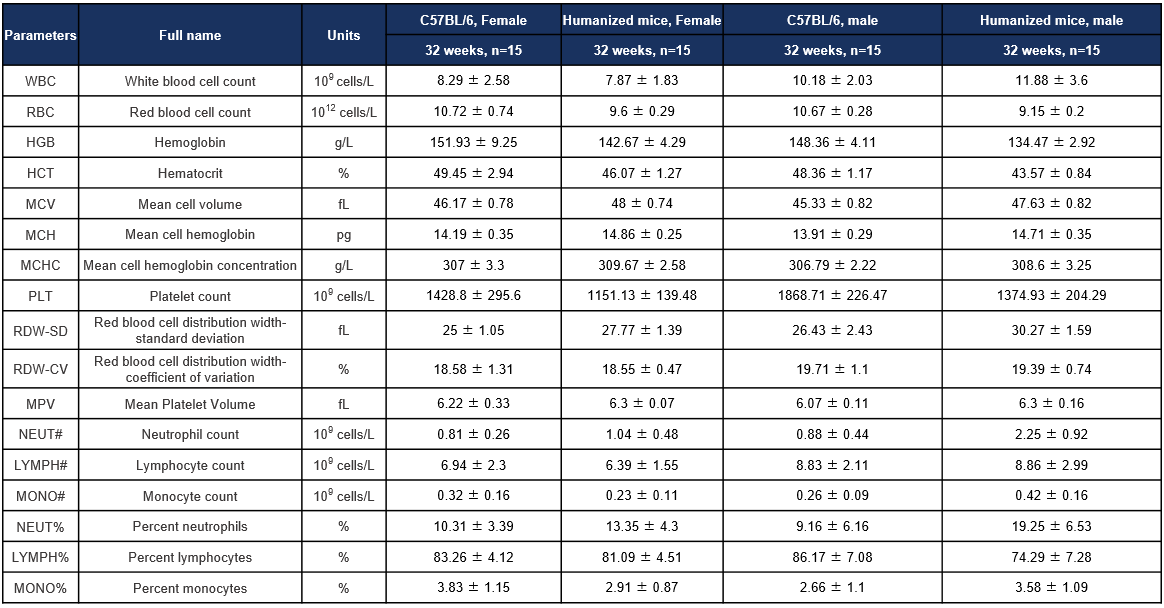
Complete blood count (CBC) of B-hIL31/hIL31/RA/hOSMR/hIL4/hIL4RA mice. Values are expressed as mean ± SD.
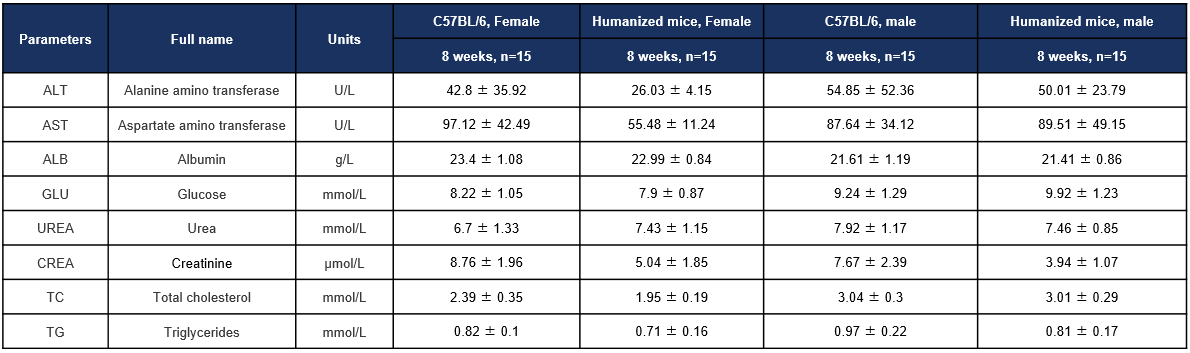
Biochemical test of B-hIL31/hIL31/RA/hOSMR/hIL4/hIL4RA mice. Values are expressed as mean ± SD.
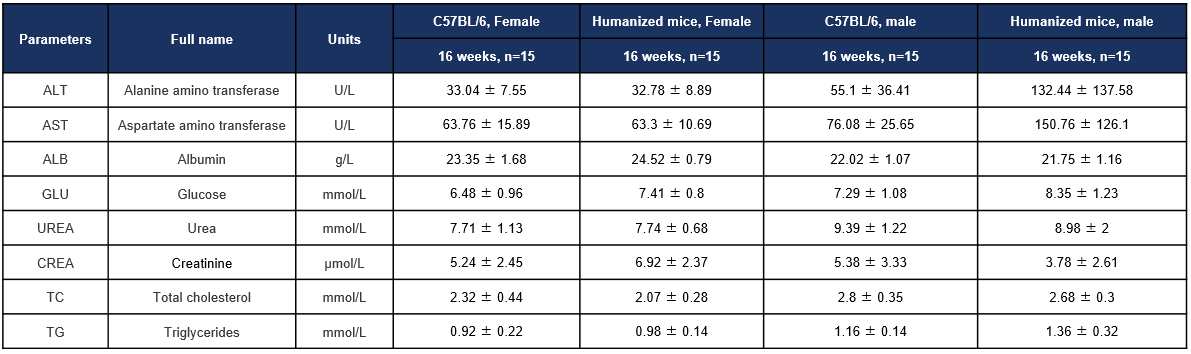
Biochemical test of B-hIL31/hIL31/RA/hOSMR/hIL4/hIL4RA mice. Values are expressed as mean ± SD.
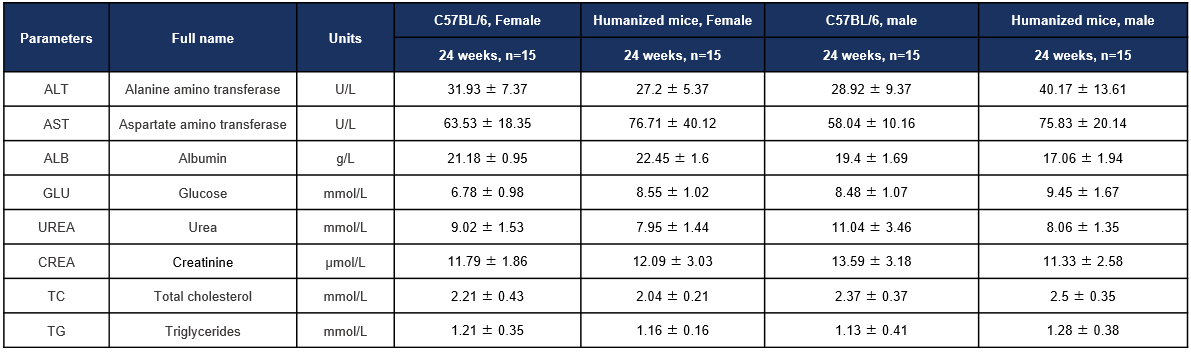
Biochemical test of B-hIL31/hIL31/RA/hOSMR/hIL4/hIL4RA mice. Values are expressed as mean ± SD.
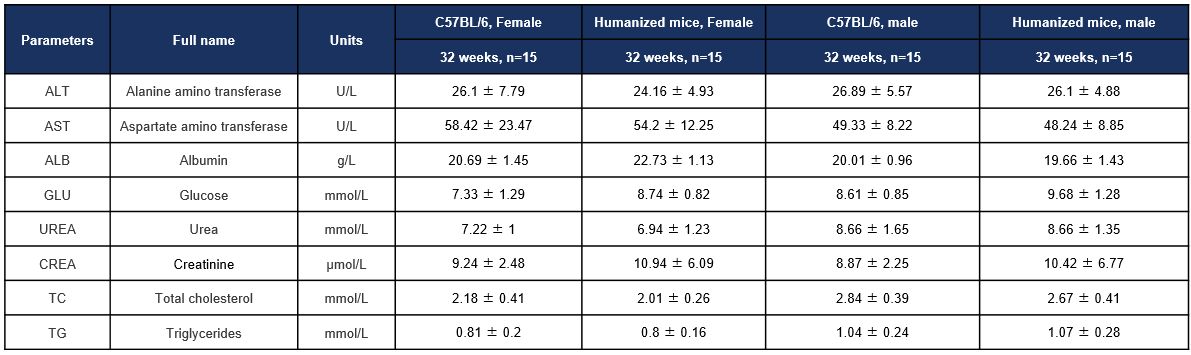
Biochemical test of B-hIL31/hIL31/RA/hOSMR/hIL4/hIL4RA mice. Values are expressed as mean ± SD.
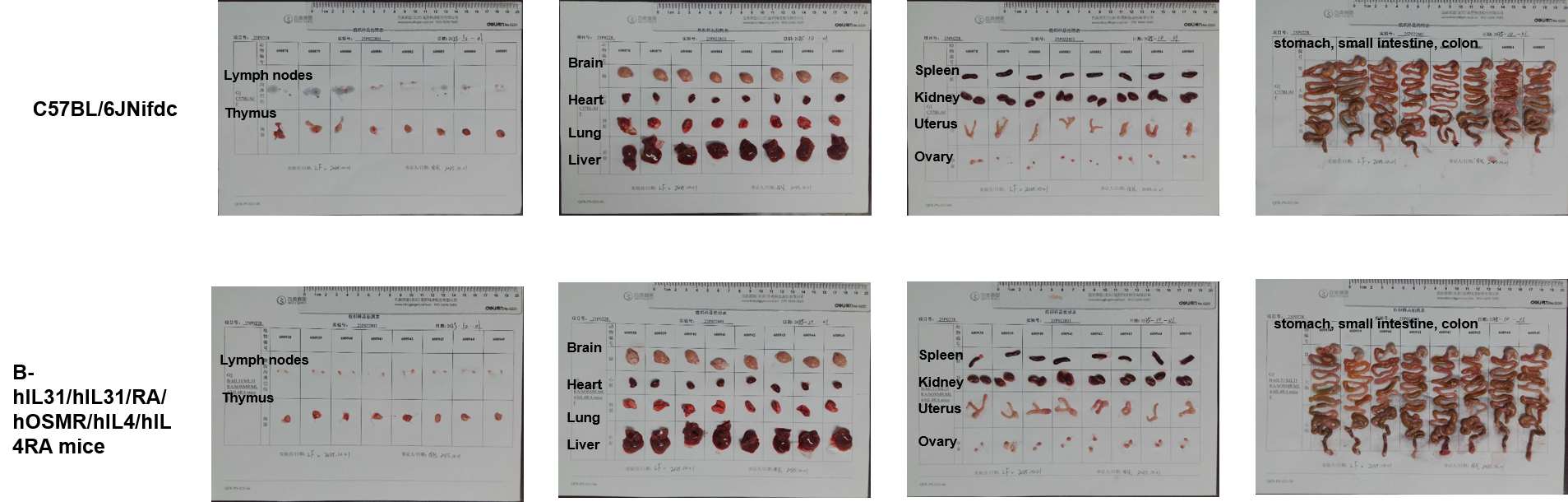
The organs of female C57BL/6JNifdc and B-hIL31/hIL31/RA/hOSMR/hIL4/hIL4RA mice (32-week-old, n=15).
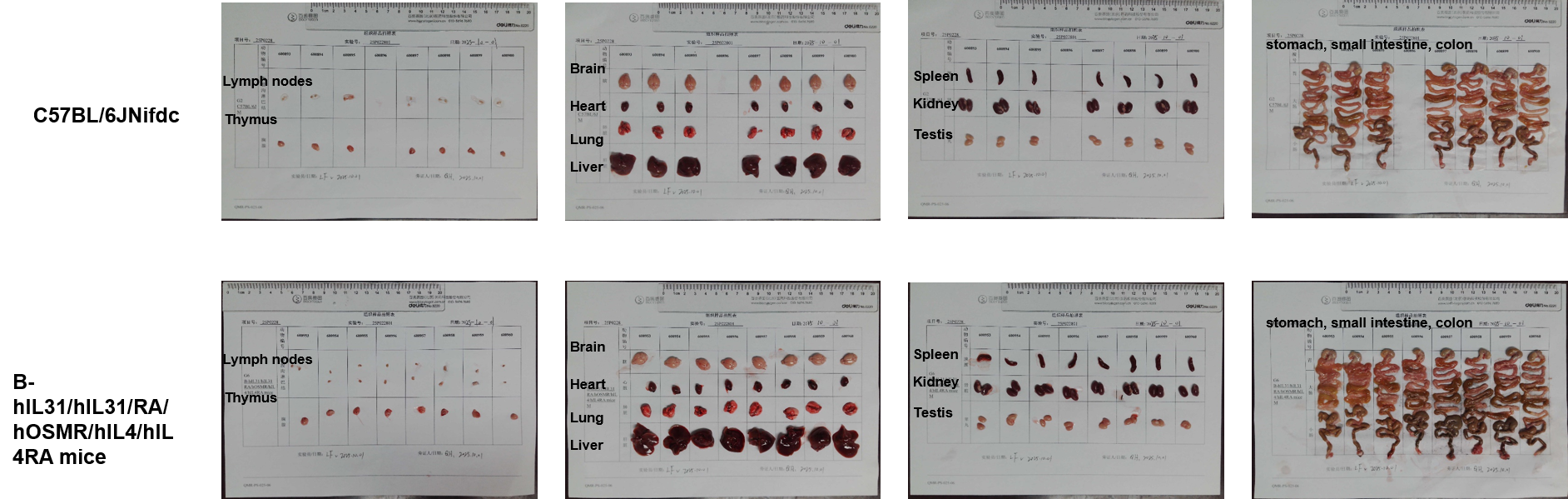
The organs of male C57BL/6JNifdc and B-hIL31/hIL31/RA/hOSMR/hIL4/hIL4RA mice (32-week-old, n=15).
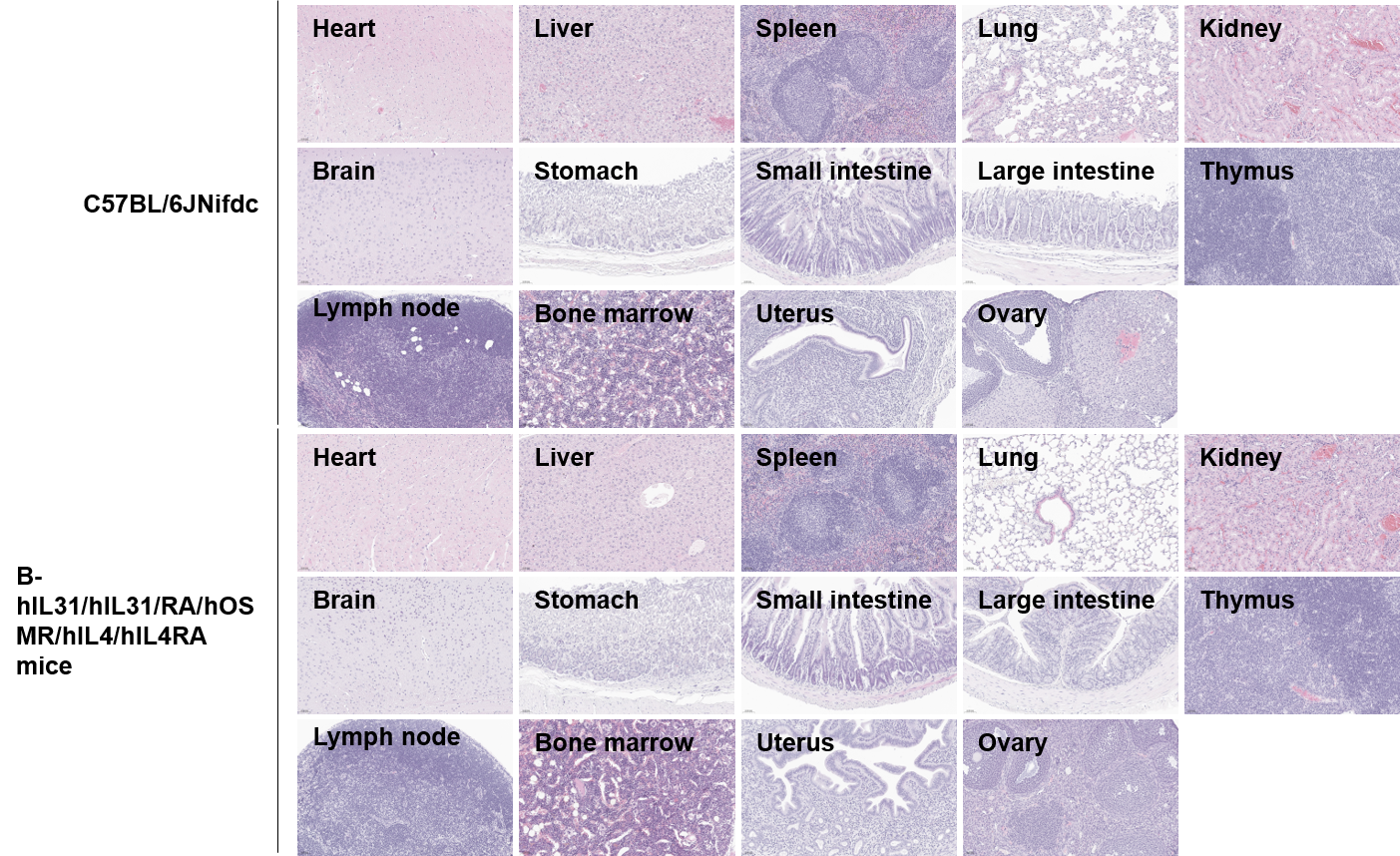
Histopathological analysis of organs in female C57BL/6JNifdc and B-hIL31/hIL31/RA/hOSMR/hIL4/hIL4RA mice.
The main organs from female C57BL/6JNifdc and B-hIL31/hIL31RA/hOSMR/hIL4/hIL4RA mice were collected at 32 weeks of age and analyzed by H&E staining (female, n=3). Histopathological assessment included heart, liver, spleen, lung, kidney, brain, stomach, small intestine, large intestine, thymus, lymph nodes, bone marrow, uterus, and ovary. No obvious abnormalities were found in the examined organs.
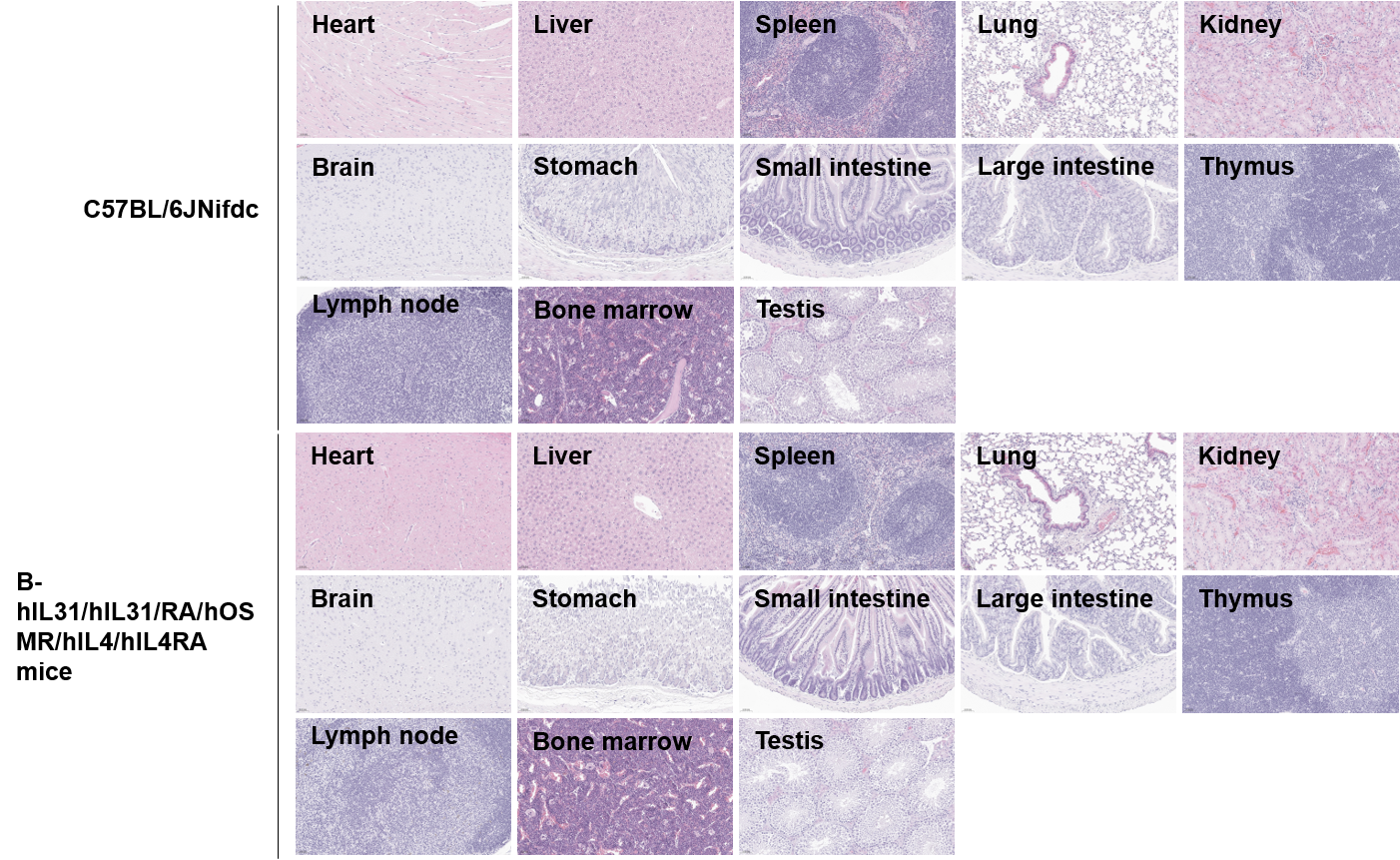
Histopathological analysis of organs in female C57BL/6JNifdc and B-hIL31/hIL31/RA/hOSMR/hIL4/hIL4RA mice.
The main organs from female C57BL/6JNifdc and B-hIL31/hIL31RA/hOSMR/hIL4/hIL4RA mice were collected at 32 weeks of age and analyzed by H&E staining (female, n=3). Histopathological assessment included heart, liver, spleen, lung, kidney, brain, stomach, small intestine, large intestine, thymus, lymph nodes, bone marrow, uterus, and ovary. No obvious abnormalities were found in the examined organs.
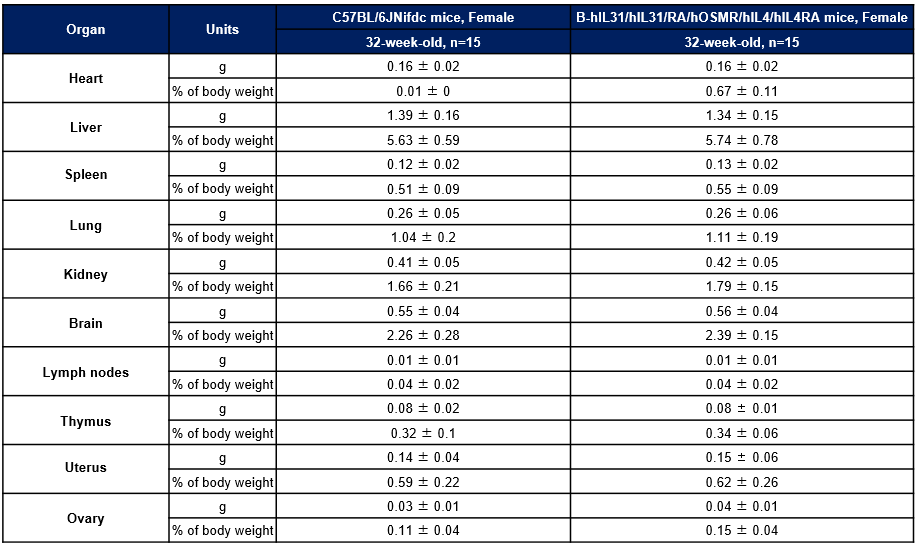
Average weight of the main organs of male C57BL/6JNifdc and B-hIL31/hIL31/RA/hOSMR/hIL4/hIL4RA mice.
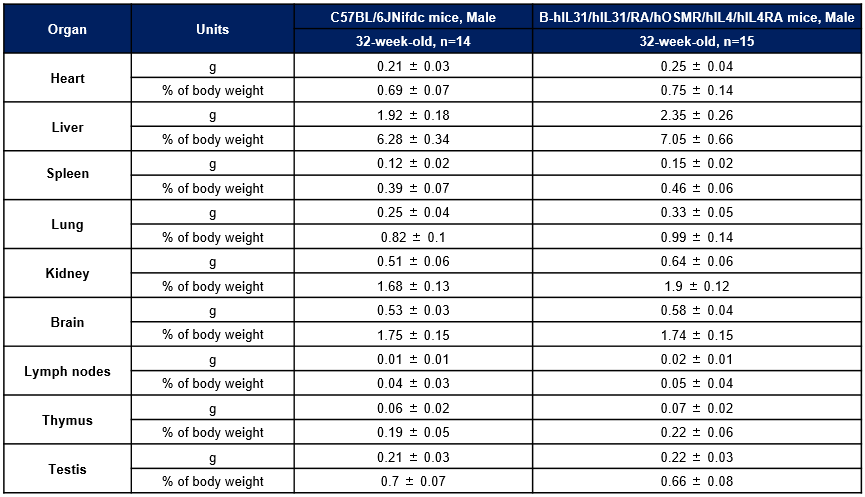
Average weight of the main organs of male C57BL/6JNifdc and B-hIL31/hIL31/RA/hOSMR/hIL4/hIL4RA mice.

Q1: What are B-hIL31/hIL31RA/hOSMR/hIL4/hIL4RA mice?
B-hIL31/hIL31RA/hOSMR/hIL4/hIL4RA mice are multi-target humanized mice carrying human IL31, IL31RA, OSMR, IL4, and IL4RA targets in a C57BL/6 background.
Q2: Why are IL31, IL31RA, and OSMR important therapeutic targets?
IL31 signaling through IL31RA and OSMR is closely associated with chronic itch, pruritus, atopic dermatitis, and inflammatory skin disease biology.
Q3: Why are IL4 and IL4RA included in this model?
IL4 and IL4RA regulate type 2 inflammation and IgE production, making the model useful for evaluating IL31-pathway and IL4RA-pathway therapies in atopic dermatitis.
Q4: Can this model be used for bispecific antibody efficacy studies?
Yes. OXA-induced AD studies showed that dupilumab analog and client-provided bispecific antibody candidates reduced ear thickness, serum IgE, scratching behavior, and skin pathology readouts.
Q5: What are the main applications of this model?
Applications include atopic dermatitis models, chronic itch studies, IL31 signaling research, anti-human IL4RA antibody evaluation, bispecific antibody efficacy studies, and physiological safety characterization.