

B-hCD3EDG/hBCMA mice
C57BL/6-Cd3etm1(CD3E)Bcgen Cd3dtm1(CD3D)BcgenCd3gtm1(CD3G)Bcgen Tnfrsf17tm2(TNFRSF17)Bcgen/Bcgen • 112602

B-hCD3EDG/hBCMA mice

Catalog Number
112602
Strain Name
C57BL/6-Cd3etm1(CD3E)Bcgen Cd3dtm1(CD3D)BcgenCd3gtm1(CD3G)Bcgen Tnfrsf17tm2(TNFRSF17)Bcgen/Bcgen
Strain Background
C57BL/6
NCBI gene ID
Aliases
T3E; TCRE; IMD18; CD3epsilon; T3D; IMD19; CD3DELTA; CD3-DELTA; T3G; IMD17; CD3GAMMA; CD3-GAMMA; BCM; BCMA; CD269; TNFRSF13A

在此页面上

  • Description
  • Phenotypic analysis

海报

查看全部

    发表文章

      Description

      CD3 consists of four protein chains (CD3E, CD3D, CD3G, and CD3Z), which form the TCR/CD3 complex together with the T cell receptor and mediate T cell antigen recognition, signal transduction, activation, and immune regulation. B cell maturation antigen (BCMA, TNFRSF17) is primarily expressed on plasma cells and is an important therapeutic target in multiple myeloma and other B cell malignancies.

      In CD3EDG/BCMA humanized mice, chimeric human CD3EDG gene are engineered while endogenous mouse Cd3edg genes are disrupted. Human BCMA replaces the corresponding mouse Bcma sequences, enabling physiological relevant expression of human BCMA in plasma cells.

      Human CD3E was detectable on T cells of homozygous CD3EDG/BCMA humanized mice, while human BCMA was detected in spleen plasma cells. This model supports in vivo evaluation of T cell-engaging therapeutics and BCMA-targeted biologics.

      Key Advantages

      • Fully humanized CD3EDG and BCMA targets for translational immuno-oncology studies
      • Supports evaluation of BCMA-targeted bispecific antibodies and CAR-T therapies
      • Human CD3E expression enables T cell engager pharmacology studies in vivo
      • Suitable for multiple myeloma and hematologic malignancy research
      • Enables simultaneous assessment of efficacy, immune activation, and safety

      Validation

      • Molecular Validation:
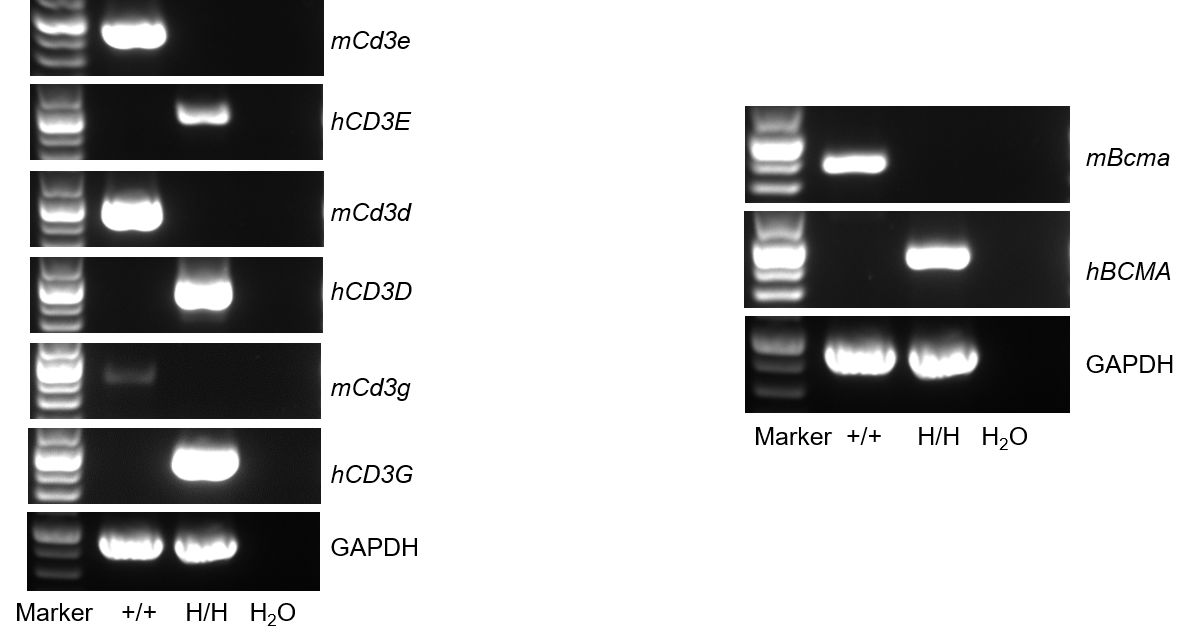
        Mouse Cd3edg and Bcma mRNA were detectable in splenocytes of wild-type mice, whereas human CD3EDG and BCMA mRNA were detectable in homozygous CD3EDG/BCMA humanized mice. Sequencing confirmed the specificity of the amplified humanized gene products.
      • Protein Validation:
        Human CD3E protein was detected on splenic T cells of homozygous CD3EDG/BCMA humanized mice by flow cytometry, while mouse CD3E expression was detected in wild-type mice.
      • Cell-Type Validation:
        Human BCMA protein was detected in spleen plasma cells of CD3EDG/BCMA humanized mice using human-specific BCMA antibody staining, confirming successful humanization and plasma-cell expression.
      • Translational Value:
        The co-expression of human CD3E and human BCMA enables in vivo assessment of T cell-dependent cytotoxicity, bispecific antibody activity, and BCMA-targeted immunotherapies.

      Application

      • BCMA-targeted antibody and biologic validation
      • Bispecific T cell engager efficacy evaluation
      • CAR-T and T cell immunotherapy research
      • Multiple myeloma and plasma cell malignancy studies
      • Preclinical pharmacodynamics and safety assessment of human-specific therapeutics
      mRNA Expression by RT-PCR in CD3EDG/BCMA Humanized Mice

      Strain-specific analysis of mouse and human CD3E, CD3D, CD3G and BCMA mRNA expression in wild-type mice and CD3EDG/BCMA humanized mice by RT-PCR. Mouse Cd3e, Cd3d, Cd3g and Bcma mRNA were detected in splenocytes from wild-type mice (+/+), whereas human CD3E, CD3D, CD3G and BCMA mRNA were detected exclusively in homozygous CD3EDG/BCMA humanized mice (H/H) and were not detected in wild-type mice. The identities of the PCR amplicons were confirmed by sequencing.
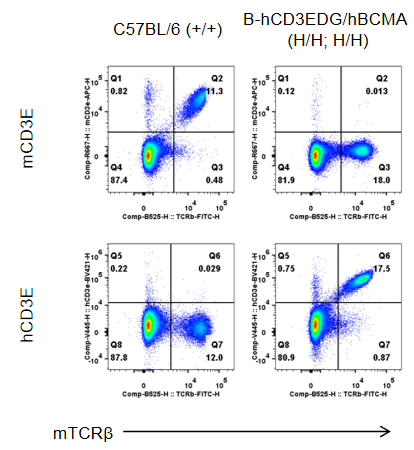
      CD3E Protein Expression in the Spleen of CD3EDG/BCMA Humanized Mice
      • Mouse CD3E was detected on T cell populations in wild-type C57BL/6 mice, but not in CD3EDG/BCMA humanized mice.
      • Human CD3E was detected on T cell populations in CD3EDG/BCMA humanized mice, but not in wild-type C57BL/6 mice.

      Flow cytometry analysis of mouse and human CD3ε protein expression in splenocytes of wild-type mice and CD3EDG/BCMA humanized mice. Splenocytes were collected from wild-type mice and homozygous CD3EDG/BCMA humanized mice. Mouse and human CD3ε protein expression was analyzed by flow cytometry using species-specific anti-mouse CD3ε (BioLegend, 100312) and anti-human CD3ε (BD Horizon™, 562426) antibodies.
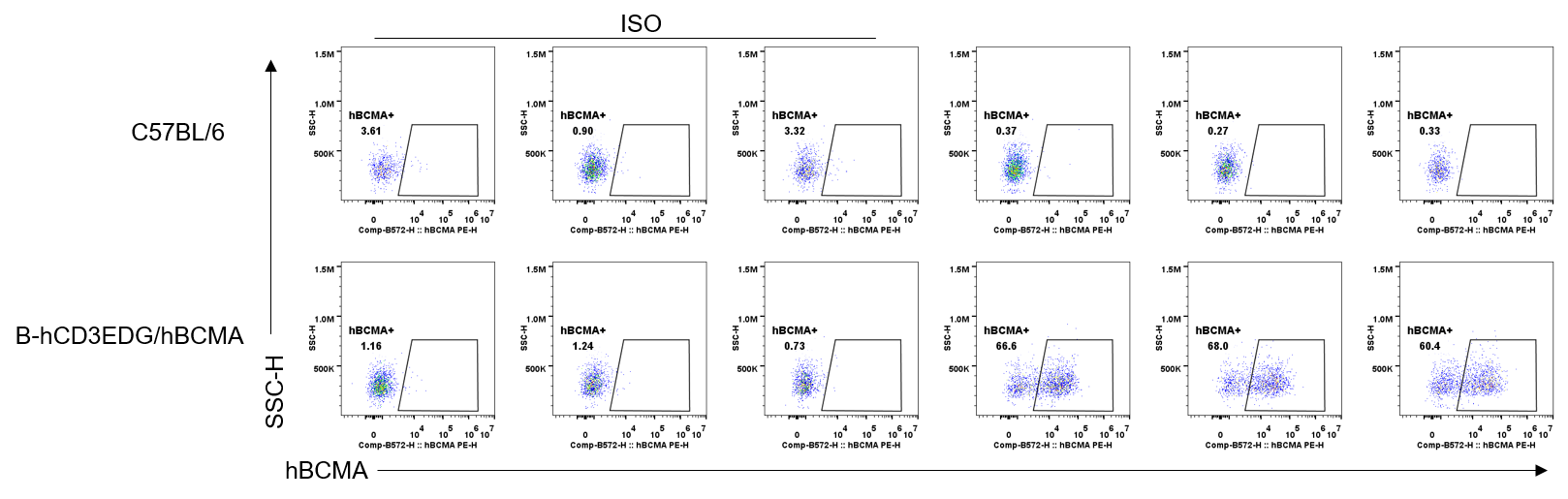
      BCMA Protein Expression in the Spleen of CD3EDG/BCMA Humanized Mice
      • Human BCMA was detectable in plasma cells of spleen from CD3EDG/BCMA humanized mice but not in wild-type C57BL/6 mice.

      Flow cytometry analysis of human BCMA protein expression on plasma cells in CD3EDG/BCMA humanized mice. Splenocytes were collected from wild-type C57BL/6 mice and homozygous CD3EDG/BCMA humanized mice. Mice were immunized three times with ovalbumin (OVA) antigen and treated with a γ-secretase inhibitor to enhance cell-surface BCMA expression. Human BCMA protein expression on plasma cells was analyzed by flow cytometry using an anti-human BCMA antibody (BioLegend, 357504).
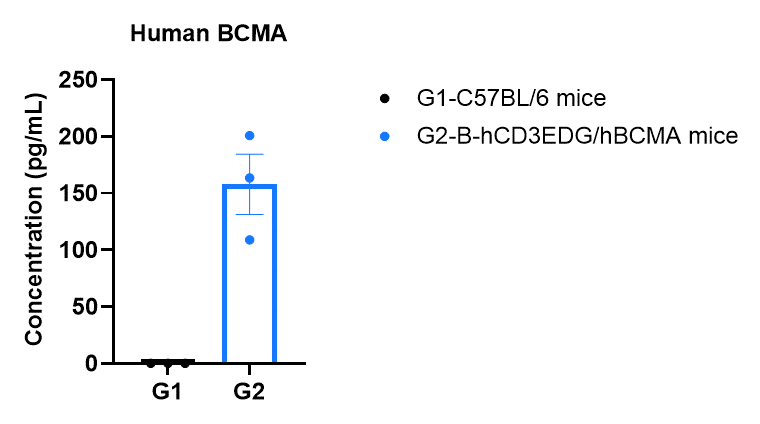
      Soluble BCMA Protein Expression in the Serum of CD3EDG/BCMA Humanized Mice
      • Human soluble BCMA protein expression was detectable in serum of homozygous CD3EDG/BCMA humanized mice, but not wild-type C57BL/6 mice.

      Strain-specific analysis of soluble BCMA protein expression in serum from wild-type C57BL/6 mice and CD3EDG/BCMA humanized mice by MSD. Serum samples were collected from wild-type C57BL/6 mice and homozygous CD3EDG/BCMA humanized mice (8 weeks old, n = 3 per group). Soluble BCMA protein levels in serum were analyzed using a Meso Scale Discovery (MSD) assay. Values are expressed as mean ± SEM.
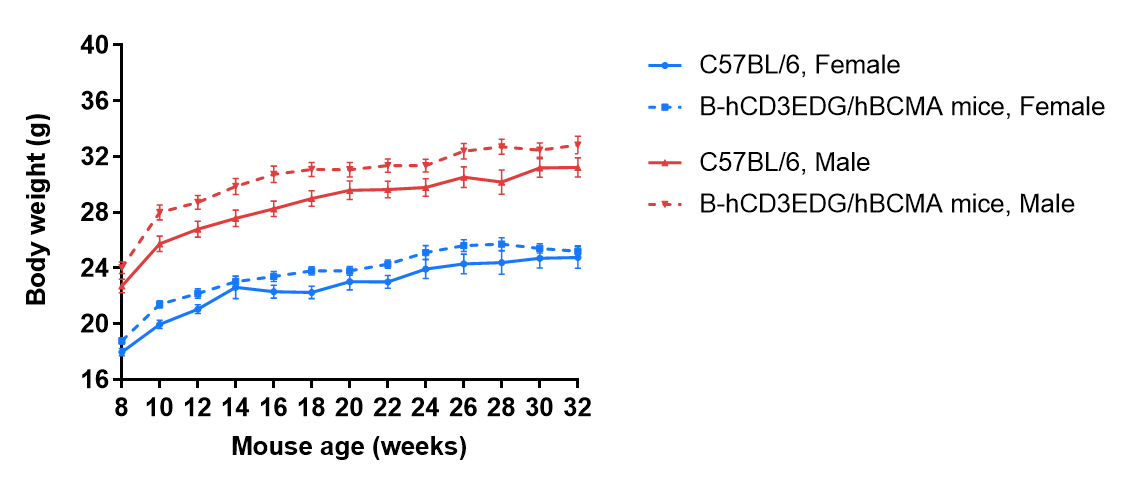
      Growth Curve of CD3EDG/BCMA Humanized Mice

      Growth curve analysis of CD3EDG/BCMA humanized mice. CD3EDG/BCMA humanized mice were grouped by sex at 8 weeks of age (15 males and 15 females). Body weight was measured weekly from 8 to 32 weeks of age. Compared with wild-type controls, CD3EDG/BCMA humanized mice showed no abnormal changes in body weight. Data are presented as mean ± SD.
      Note: One male wild-type C57BL/6 mouse died at 26 weeks of age.
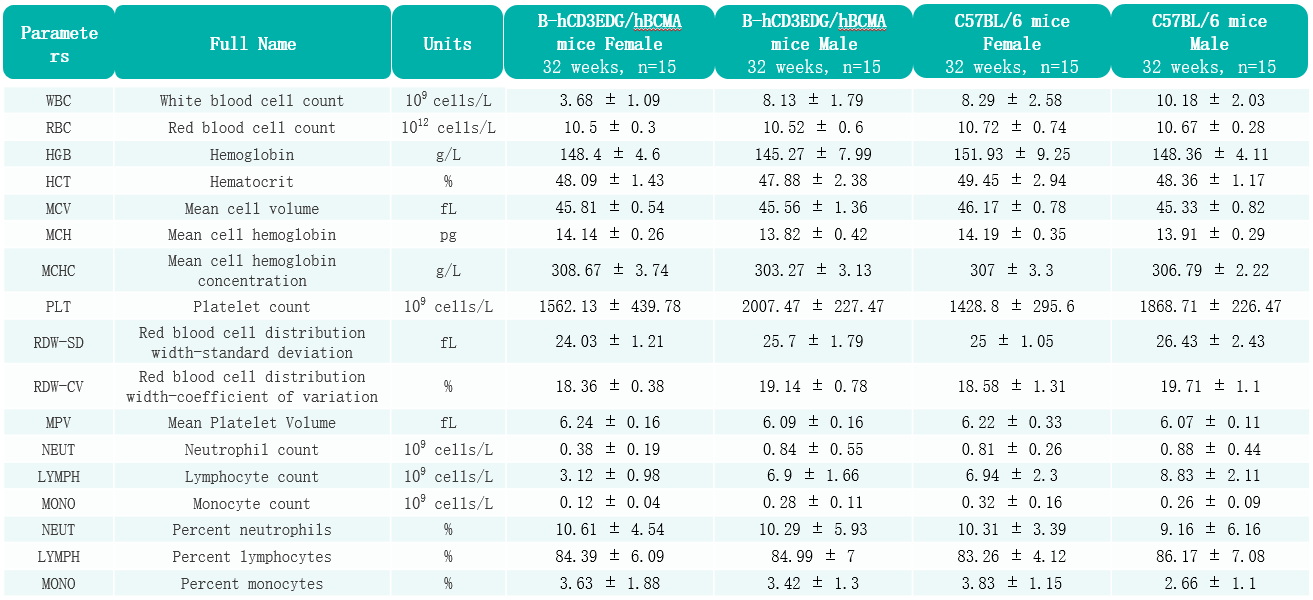
      Hematology Analysis of CD3EDG/BCMA Humanized Mice
      • No significant differences were observed compared with wild-type mice.

      Complete blood count (CBC) of CD3EDG/BCMA humanized mice. Values are expressed as mean ± SD.
      Data for mice at 8, 16, and 24 weeks of age were not shown.
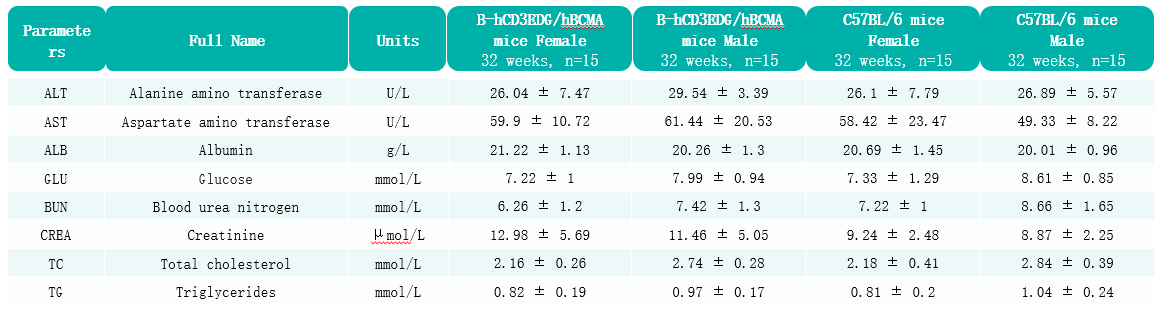
      Blood Biochemical Analysis of CD3EDG/BCMA Humanized Mice
      • No significant differences were observed compared with wild-type mice.

      Blood biochemical parameters of CD3EDG/BCMA humanized mice are shown. Values are expressed as mean ± SD.
      Data for mice at 8, 16, and 24 weeks of age were not shown.
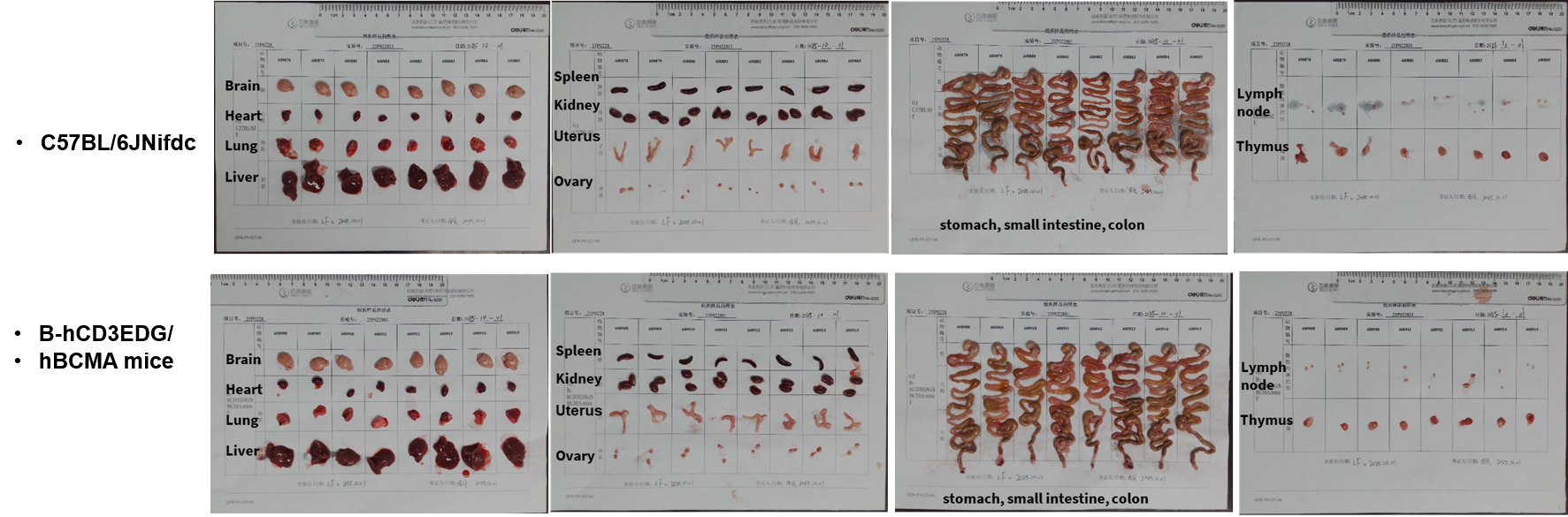
      Gross Organ Anatomy of Female CD3EDG/BCMA Humanized Mice
      • No abnormalities were observed.

      Organs of female CD3EDG/BCMA humanized mice (32-week-old, n = 15). Data from only 8 of the mice were presented.
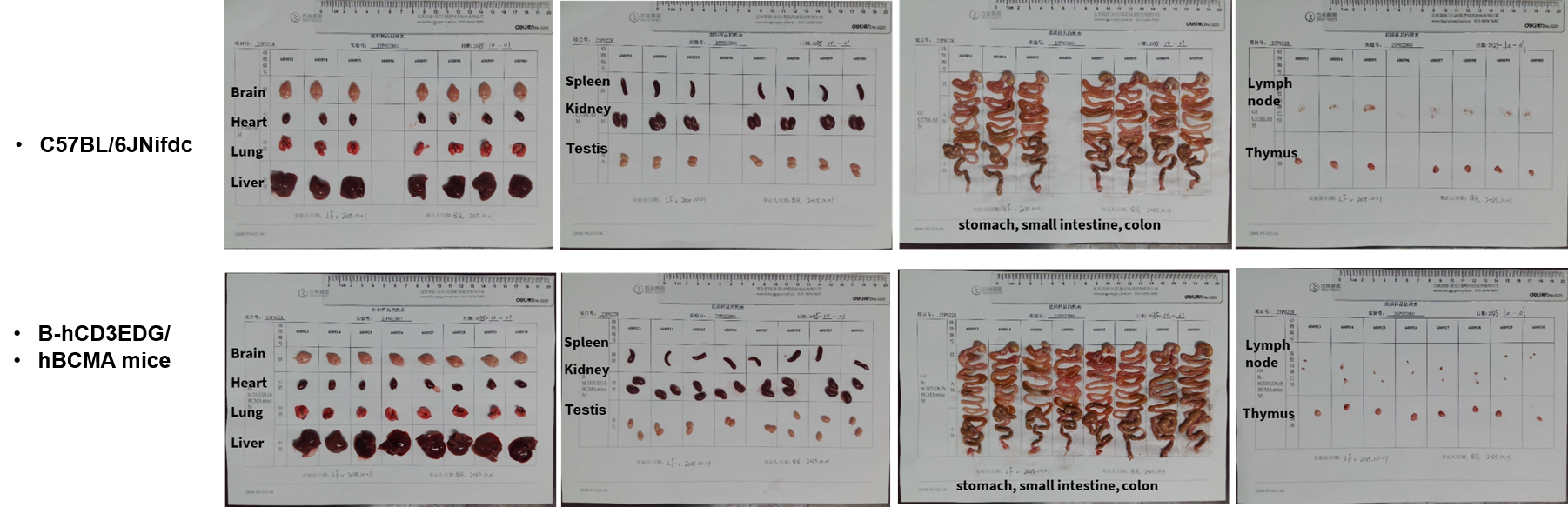
      Gross Organ Anatomy of Male CD3EDG/BCMA Humanized Mice
      • No abnormalities were observed.

      Organs of male CD3EDG/BCMA humanized mice (32-week-old, n = 15). Data from only 7 of wild type mice or 8 of CD3EDG/BCMA humanized mice were presented.
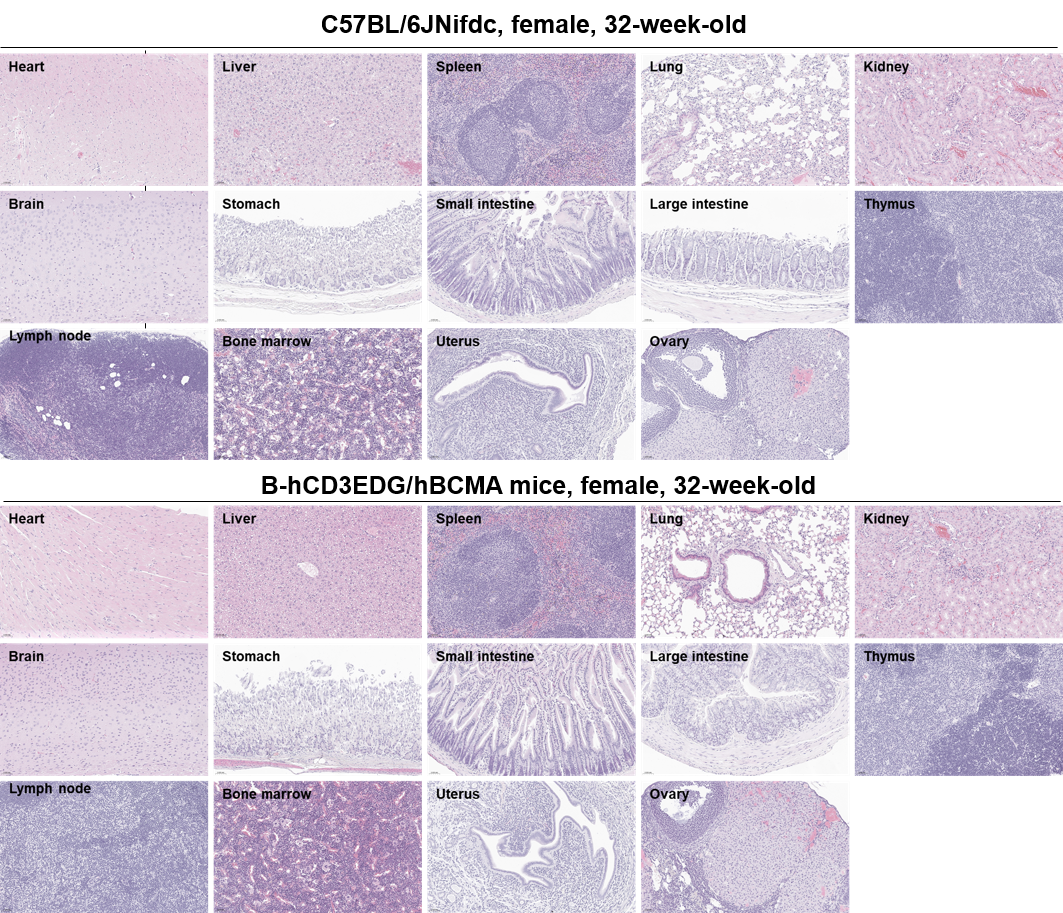
      Histopathological Analysis of CD3EDG/BCMA Humanized Mice
      • CD3EDG/BCMA humanized mice showed no microscopic abnormalities in the heart, liver, spleen, lungs, kidneys, brain, stomach, small intestine, large intestine, thymus, lymph nodes, bone marrow, or ovaries. A dilated uterine gland was observed in one CD3EDG/BCMA humanized mouse and one wild-type mouse, suggesting that this finding was not associated with the humanized target modifications.

      Histopathological analysis of organs in female C57BL/6JNifdc and CD3EDG/BCMA humanized mice. H&E staining of major organs from 32-week-old female C57BL/6JNifdc and CD3EDG/BCMA humanized mice (n=3 per group).
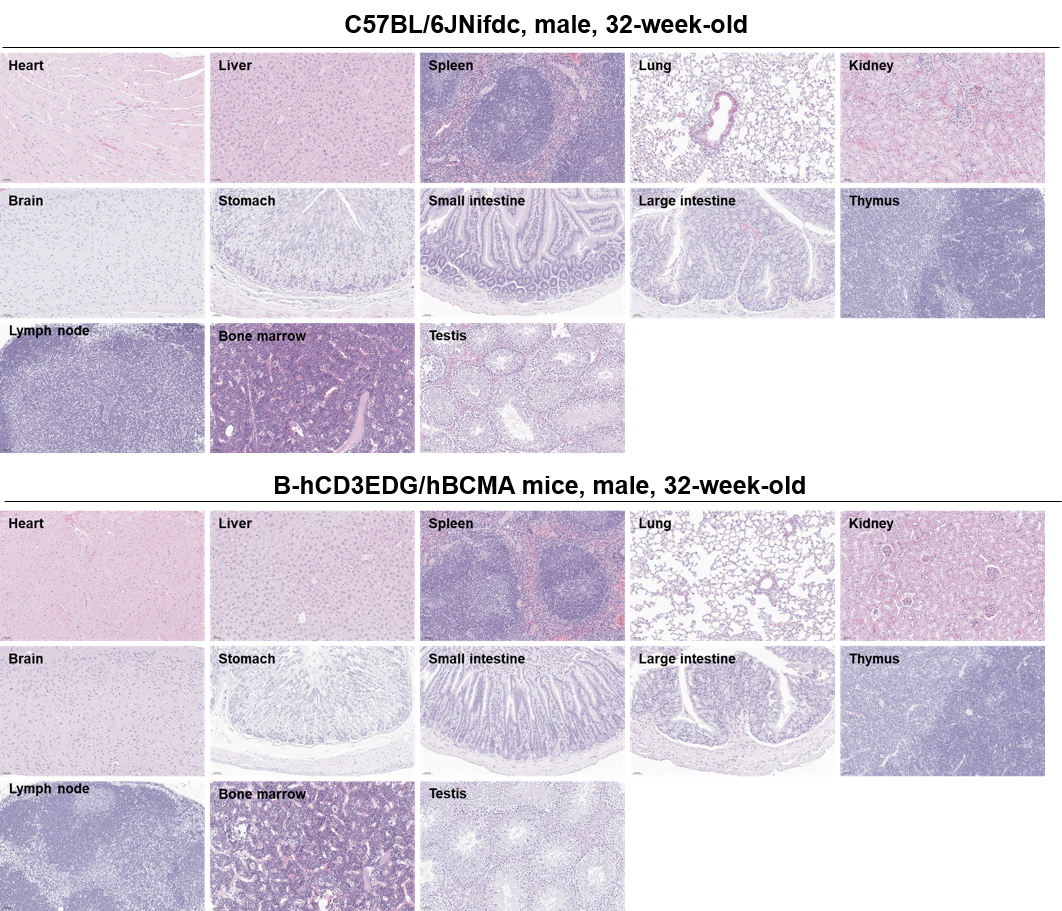
      • CD3EDG/BCMA humanized mice showed no microscopic abnormalities in the heart, liver, spleen, lungs, brain, stomach, small intestine, large intestine, thymus, lymph nodes, bone marrow, or testes. Renal pelvic interstitial inflammatory cell infiltration was observed in one CD3EDG/BCMA humanized mouse and one wild-type mouse. These incidental, likely age-related findings were not associated with the humanized target modifications.

      Histopathological analysis of organs in male C57BL/6JNifdc and CD3EDG/BCMA humanized mice. H&E staining of major organs from 32-week-old male C57BL/6JNifdc and CD3EDG/BCMA humanized mice (n=3 per group).
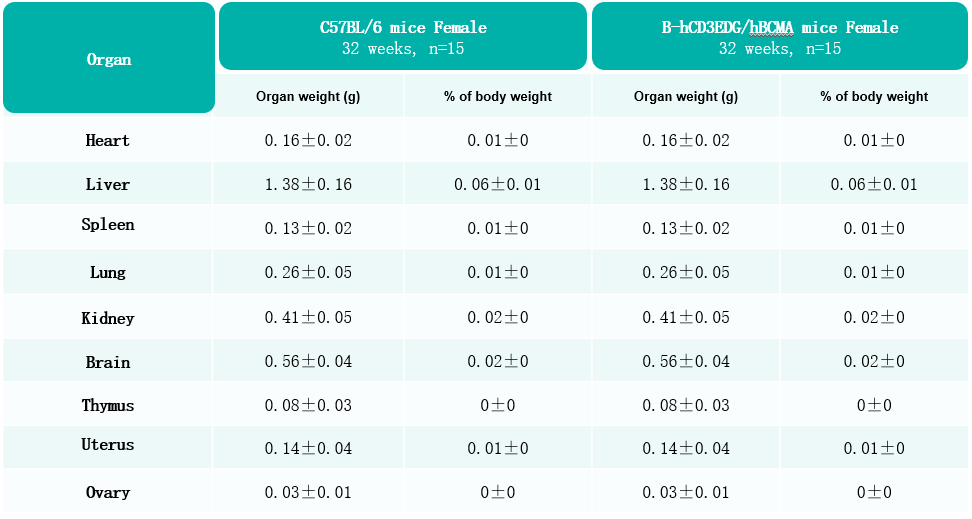
      Organ Weight of CD3EDG/BCMA Humanized Mice

      Average weights of major organs in CD3EDG/BCMA humanized mice.
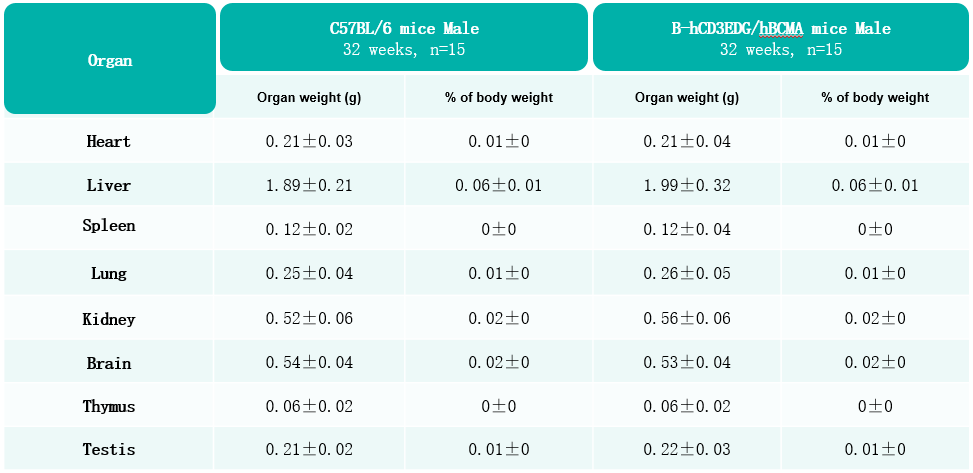
      Average weights of major organs in CD3EDG/BCMA humanized mice.

      * When publishing results obtained using this animal model, please acknowledge the source as follows: The animal model [B-hCD3EDG/hBCMA mice] (Cat# 112602) was purchased from Biocytogen.