
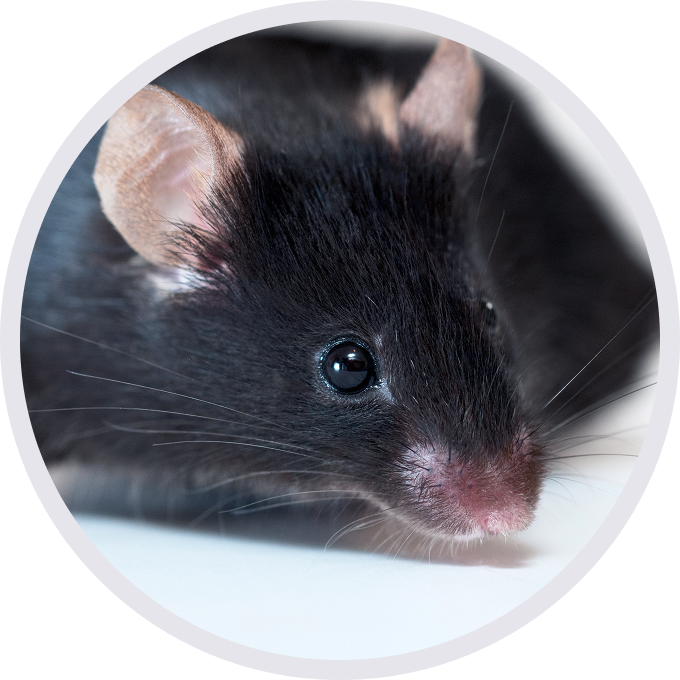

B-hLPA plus/hAPOB mice
C57BL/6-Gt(ROSA)26Sortm3(LPA) Bcgen Apobtm1(APOB)Bcgen /Bcgen • 113321

B-hLPA plus/hAPOB mice

Catalog Number
113321
Strain Name
C57BL/6-Gt(ROSA)26Sortm3(LPA) Bcgen Apobtm1(APOB)Bcgen /Bcgen
Strain Background
C57BL/6
NCBI gene ID
4018,338 (Human)
Aliases
AK38, APOA, LP; FCHL2, FLDB, LDLCQ4, apoB-100, apoB-48

在此页面上

  • Description
  • Targeting strategy
  • Phenotypic analysis

海报

查看全部

    发表文章

      Description

      Lipoprotein(a): A highly polymorphic particle that is structurally similar to but larger than Low-density lipoprotein (LDL). 

      • Gene Information: Lipoprotein(a) (Lp(a)) is assembled when Apo(a) binds to Apolipoprotein B-100 (ApoB-100), and this lipoprotein is strongly associated with atherosclerosis and aortic valve calcification.
      •  Protein Expression: LPA encoding apo(a) highly expressed in the liver. Apo(a) is noncovalently and covalently bound to apoB-100. Apolipoprotein B serves as the primary apolipoprotein of chylomicrons and LDL, acting as the ligand for the LDL receptor. It exists in two plasma isoforms: intestinal ApoB-48 and hepatic ApoB-100. 
      • Signaling Pathway: Human Apo(a) efficiently interacts with human ApoB, producing Lp(a) in the plasma. 
      • Therapeutic Method: A new generation of Lp(a)-specific therapeutics covers siRNAs, ASOs, small molecules, and CRISPR/Cas9 editing technologies. These drug categories feature unique action mechanisms, pharmacokinetic behaviors, and development timelines. Researchers are particularly focused on their ability to cut Lp(a) levels and, correspondingly, lower projected ASCVD risk.
      Targeting strategy

      LPA

      • The genome sequence contains human LPA gene promoter and the full coding region genome sequences (include intron) as well as UTR was inserted into the Gt(ROSA)26Sor gene locus site. And there’s no LPA gene in the mouse genome sequence.

      APOB

      •  The exons 1 29 of the mouse Apob gene that encode the whole molecule (ATG to STOP codon), including 5’UTR and 3’UTR, were replaced by human counterparts in BhAPOB mice.
      • The human APOB expression is driven by the human APOB promoter, while the mouse Apob gene transcription and translation will be disrupted.

      B-hLPA plus/hAPOB mice were derived from mating B hLPA mice plus (112845) and B hAPOB mice (112951). For validation data of this mouse model, you can refer to the validation data from the related gene humanized mouse models.

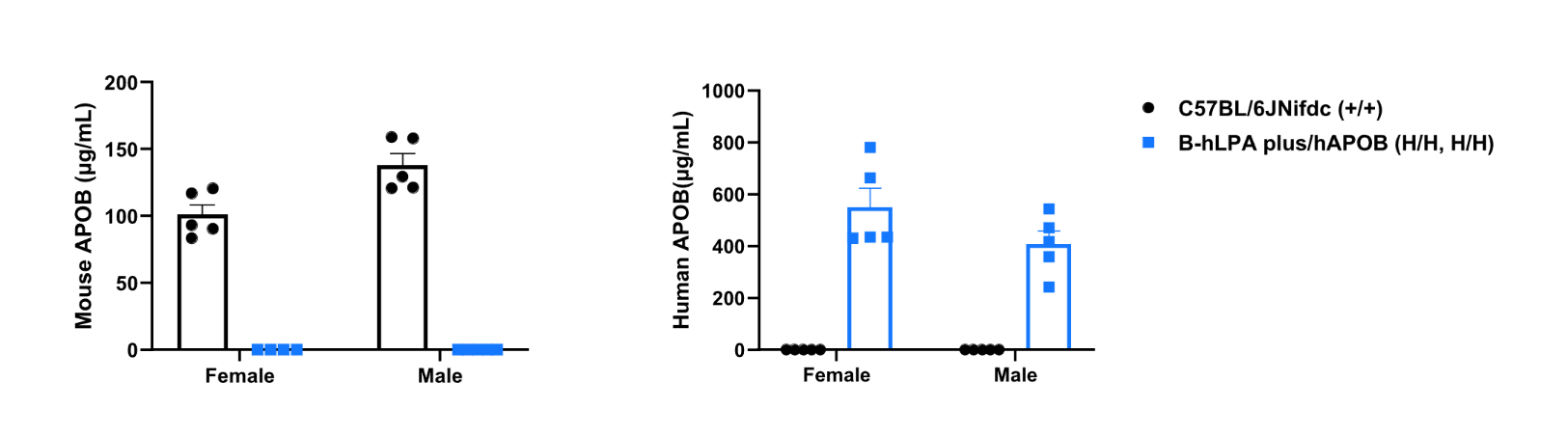
      APOB Protein Expression Analysis

      Strain-specific APOB expression analysis in wild-type C57BL/6JNifdc mice and homozygous humanized B-hLPA plus/hAPOB mice by ELISA. Serum was collected from wild-type C57BL/6JNidfc mice (+/+) and homozygous B-hLPA plus/hAPOB mice (H/H, H/H) (n=5, 8-week-old, female; n=5, 8-week-old, male). Expression levels of mouse and human APOB were analyzed by ELISA (Mouse: Abcam, ab230932; Human: ab108807). Human APOB was exclusively detectable in homozygous B-hLPA plus/hAPOB mice, but not in wild-type C57BL/6JNidfc mice. Values are expressed as mean ± SEM.
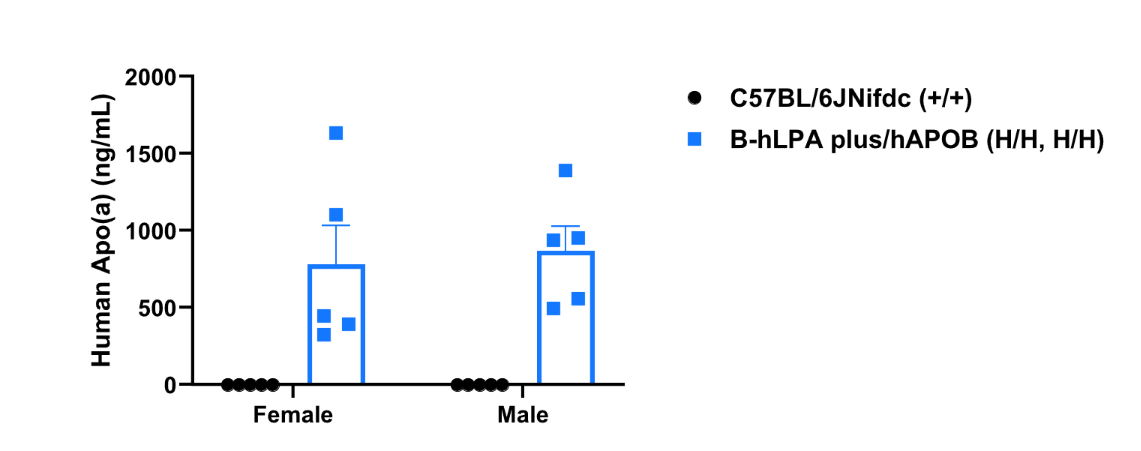
      Apo(a) Protein Expression Analysis

      Strain-specific Apo(a) expression analysis in wild-type C57BL/6JNifdc mice and homozygous humanized B-hLPA plus/hAPOB mice by ELISA. Serum was collected from wild-type C57BL/6JNidfc mice (+/+) and homozygous B-hLPA plus/hAPOB mice (H/H, H/H) (n=5, 8-week-old, female; n=5, 8-week-old, male). The expression level of human Apo(a) was analyzed by ELISA (Abcam, ab212165). Human Apo(a) was exclusively detectable in homozygous B-hLPA plus/hAPOB mice, but not in wild-type C57BL/6JNifdc mice. Values are expressed as mean ± SEM.
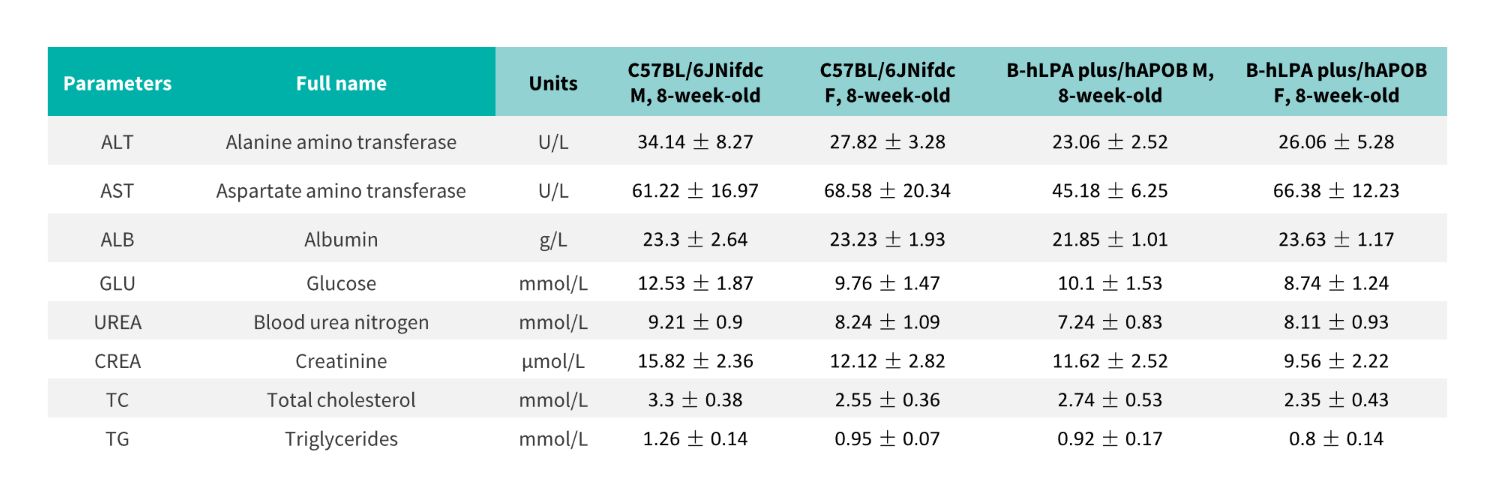
      Blood Chemistry

      Biochemical test of B-hLPA plus/hAPOB mice. Values are expressed as mean ± SD.
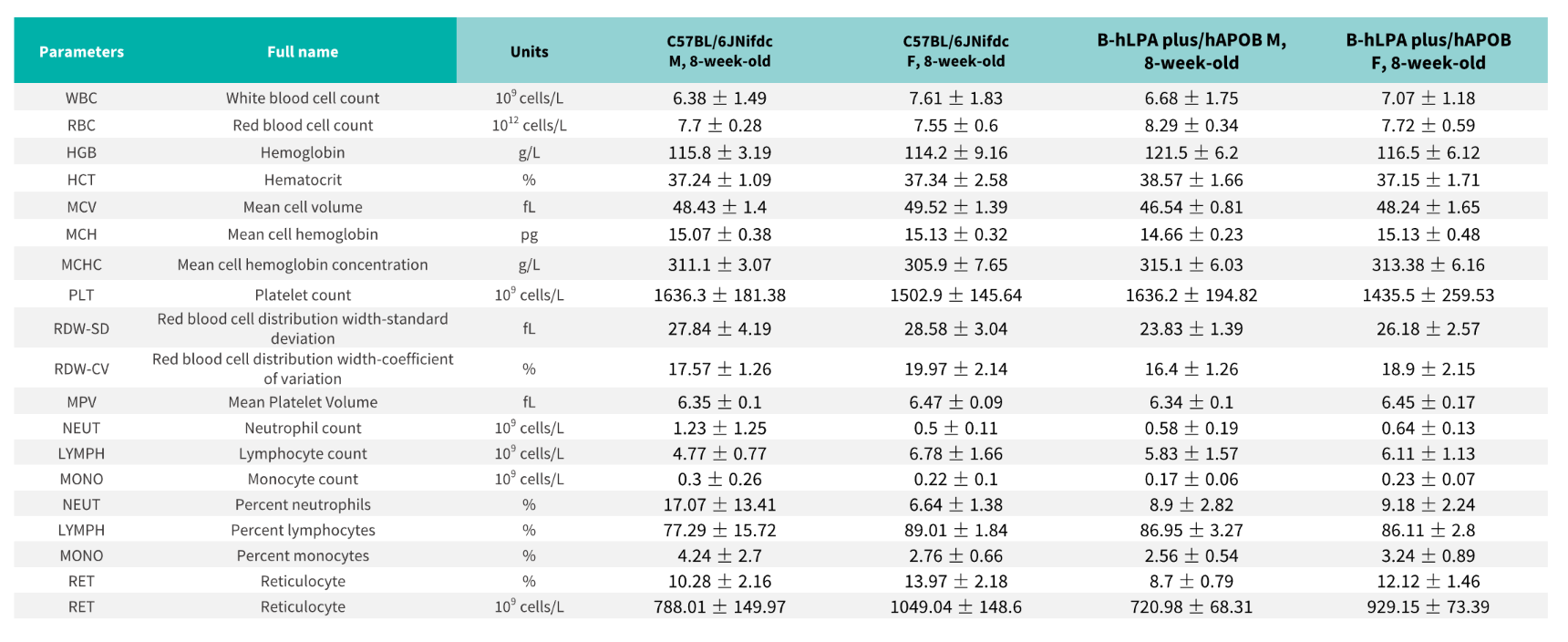
      Hematology Analysis

      Complete blood count (CBC) of B-hLPA plus/hAPOB mice. Values are expressed as mean ± SD.
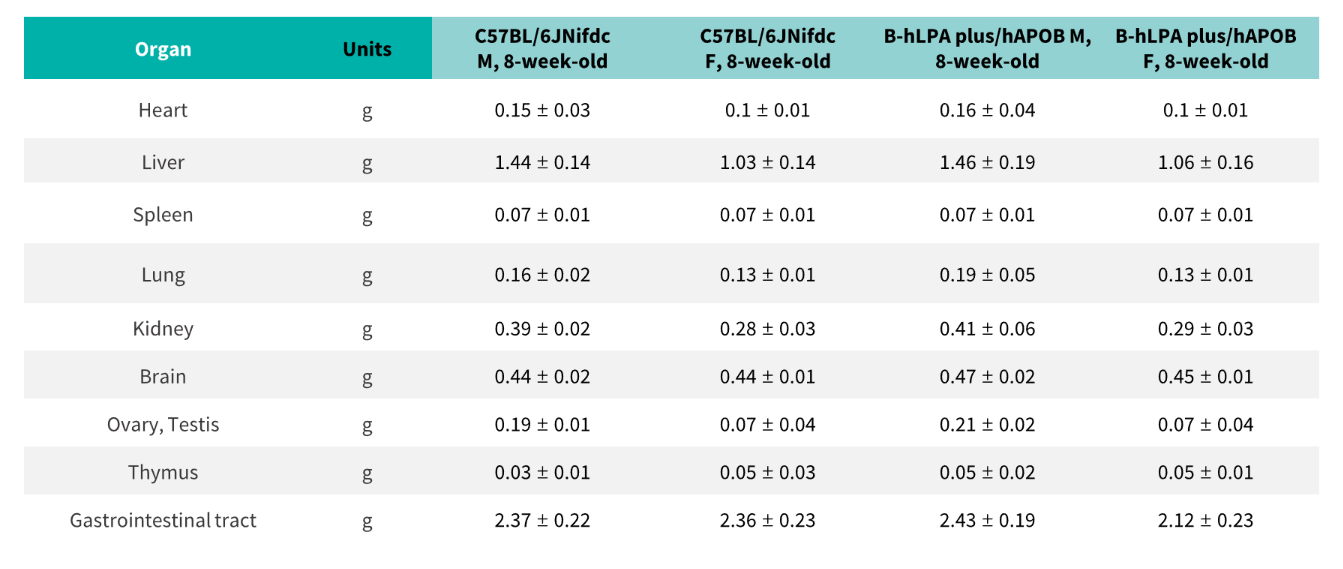
      Organ Weight

      Average weights of major organs in B-hLPA plus/hAPOB mice. Values are expressed as mean ± SD.
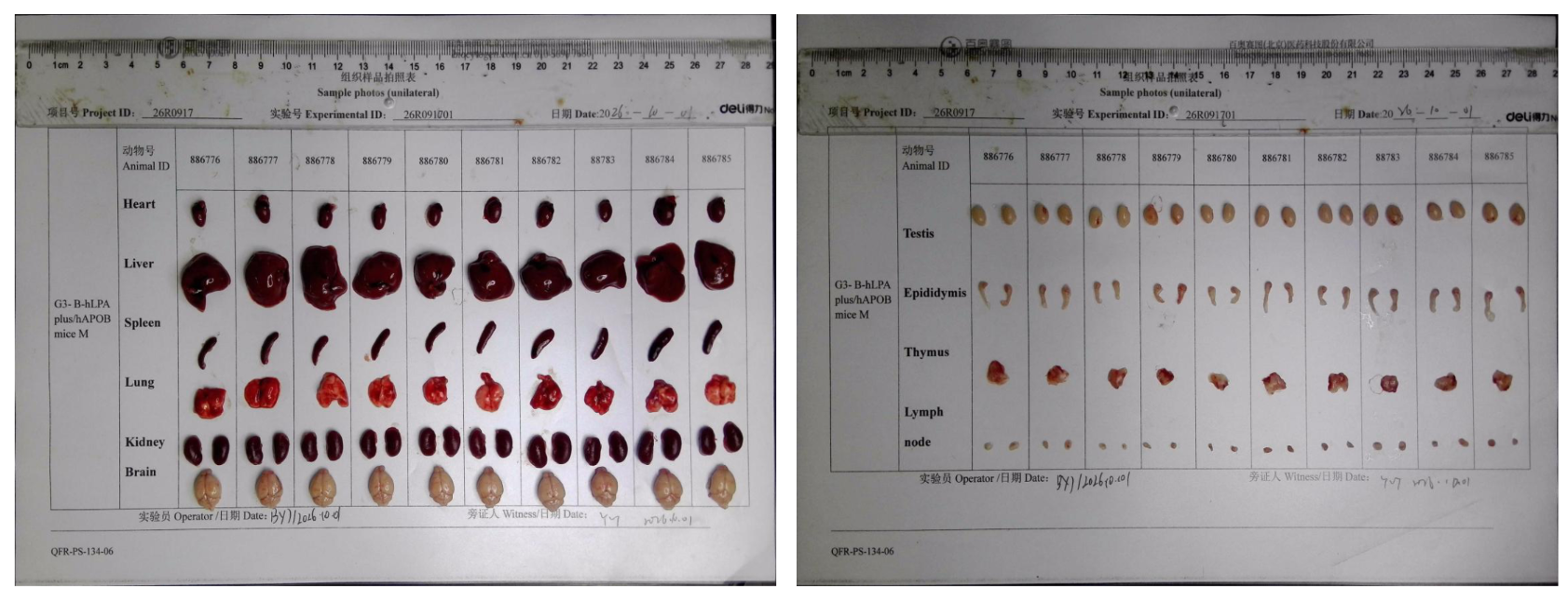
      Gross Organ Anatomy (Male)

      Organs of male B-hLPA plus/hAPOB mice (8-week-old, n = 10).
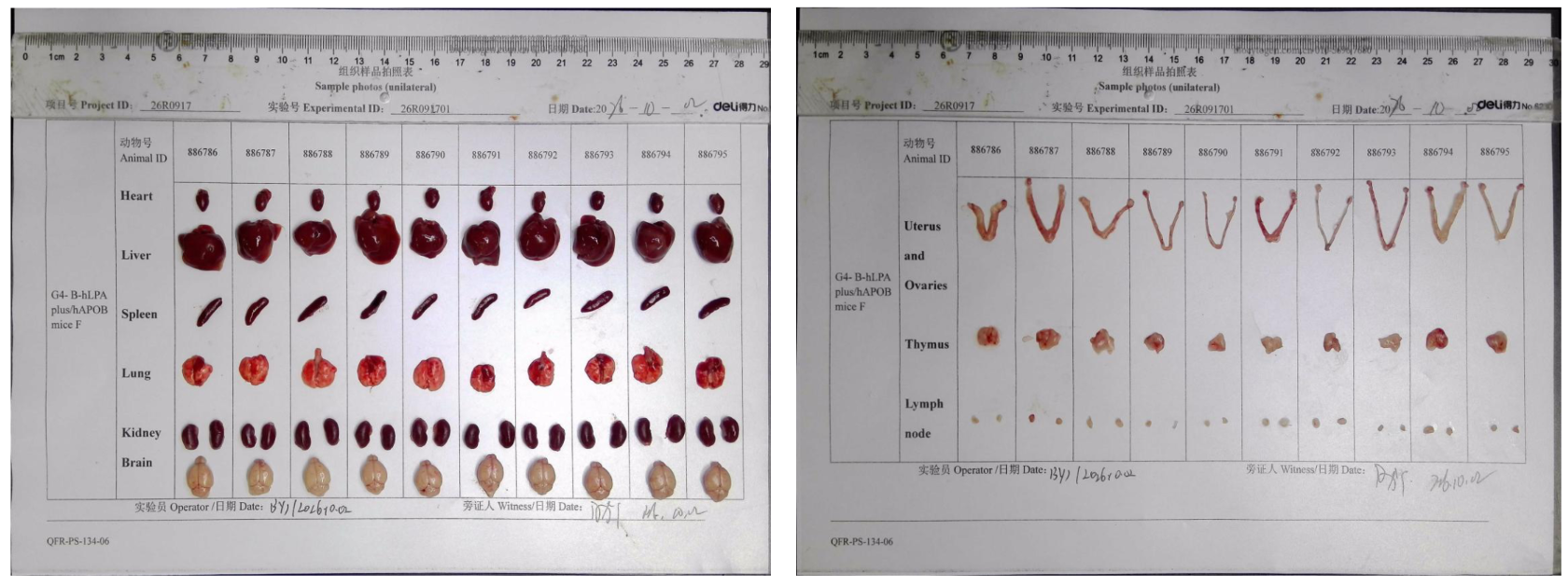
      Gross Organ Anatomy (Female)

      Organs of female B-hLPA plus/hAPOB mice (8-week-old, n = 10).

      * When publishing results obtained using this animal model, please acknowledge the source as follows: The animal model [B-hLPA plus/hAPOB mice] (Cat# 113321) was purchased from Biocytogen.